The Apology That Made Things Worse
You said sorry. They heard it. And somehow, nothing got better. Most workplace apologies aren't designed to help the other person, they're designed to help you, and people can feel that, even when they can't name it.
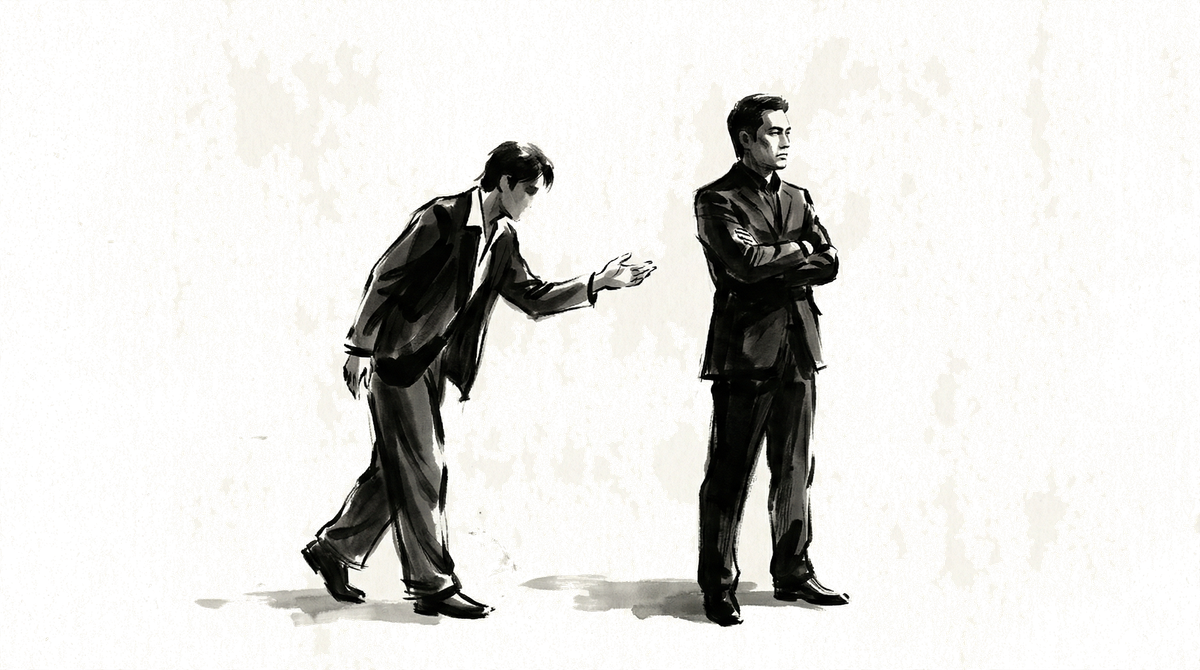
You said sorry. They heard it. And somehow, nothing got better. The tension is still there, maybe even a little worse. You're frustrated because you did the right thing. They're frustrated and can't quite explain why. Sound familiar?
Here's what's actually happening: most workplace apologies aren't designed to help the other person. They're designed to help you. And people can feel that, even when they can't name it.
Core Claim
A workplace apology that centers your relief over their understanding isn't really an apology. It's a social maneuver. And the person on the receiving end, consciously or not, knows the difference.
Situation
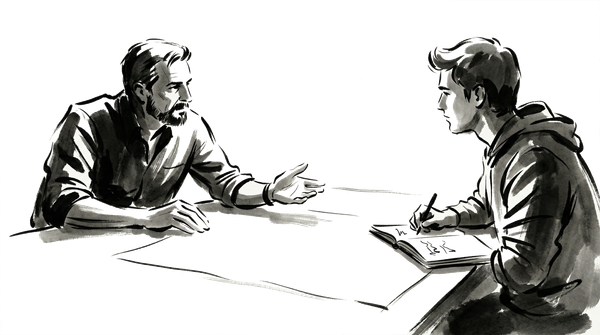
You had a conflict. Maybe you cut someone off in a meeting, missed a commitment, or said something that landed badly. You apologize. They say "it's fine," but they don't really mean it. The dynamic stays weird for days.
This happens all the time. And the most common explanation is that the other person is being difficult or oversensitive. But that's usually not what's going on.
Mechanism
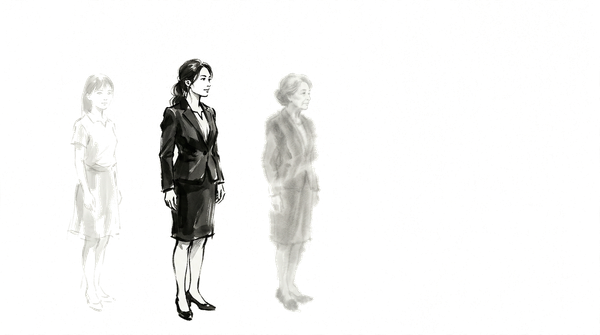
Think of it this way: when someone experiences harm from you, they update their mental model of who you are. You just became, in their mind, the kind of person who does that thing. An apology is your attempt to correct that update.
The problem is most apologies don't actually do that. "I'm sorry you felt that way" doesn't update their model of you; it protects yours. It signals that you still think the problem was their reaction, not your behavior.
Lisa Feldman Barrett's research on constructed emotion is useful here. When someone receives an apology, their brain isn't just processing your words. It's processing your tone, your body language, the context, all of it simultaneously, and constructing an emotional experience from the whole package. A technically correct apology delivered with a defensive posture constructs a very different experience than intended. The brain detects the mismatch between what you're saying and what you're signaling. That mismatch is why it doesn't land.
Practice
Before you apologize, ask yourself one question: what does this person now believe about me?
Maybe they believe you're dismissive of their ideas. Maybe they think you don't respect their time. Maybe they've updated their model of you as someone who throws people under the bus. Identify the specific belief your apology needs to correct, then address it directly with words and a behavioral commitment.
Compare these two:
"I'm sorry if you were offended." (Model protection.)
"I understand why that came across as dismissive. Here's what I'm going to do differently next time." (Model update.)
The second one gives their brain something concrete to work with. It's evidence, not just a social signal.
Why It Works
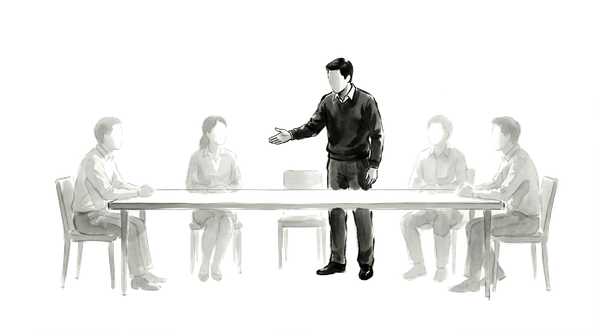
The brain is a prediction machine. It's constantly running models of the people around you, forecasting how they'll behave. When someone causes harm and then apologizes, the brain needs new information to revise its forecast. Words alone don't provide that. A specific behavioral commitment does.
When you tell someone exactly what you'll do differently, you're giving their predictive brain something it can actually incorporate. You're reducing the uncertainty that the harm created. That's what completes an apology. Not the words. The update.