The Story You Tell Yourself When Things Go Wrong
When a project fails, almost before the dust settles, it stops being about the project. Your brain turns it into a verdict about you. That feeling is real, but it's not telling you what you think it is.
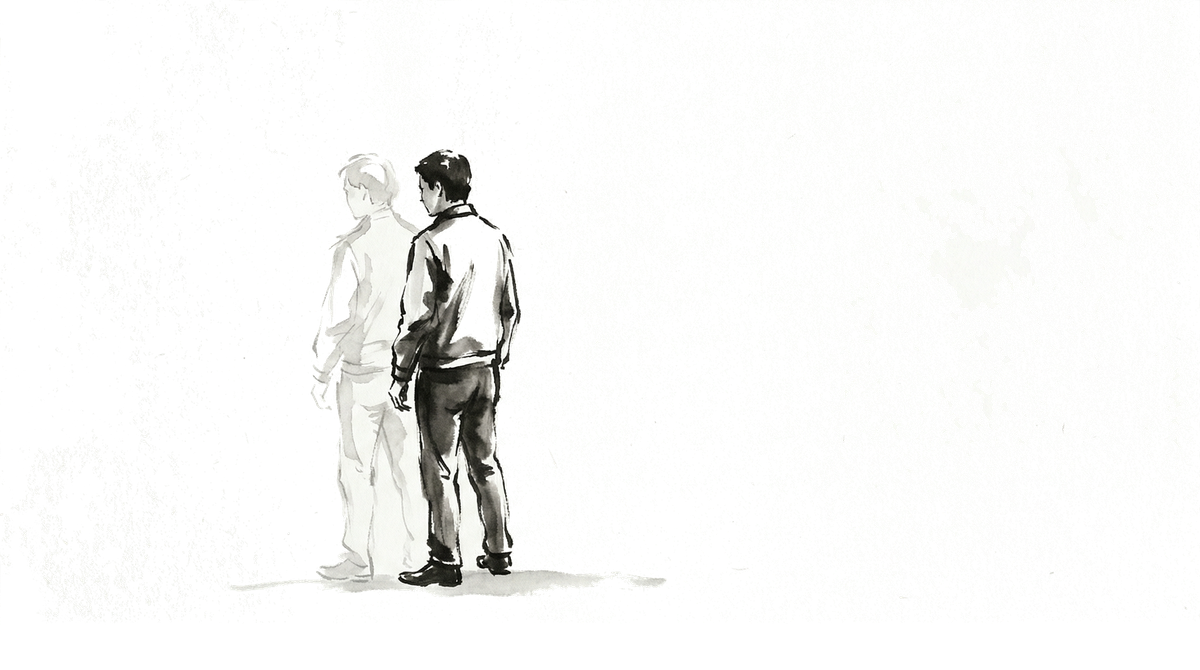
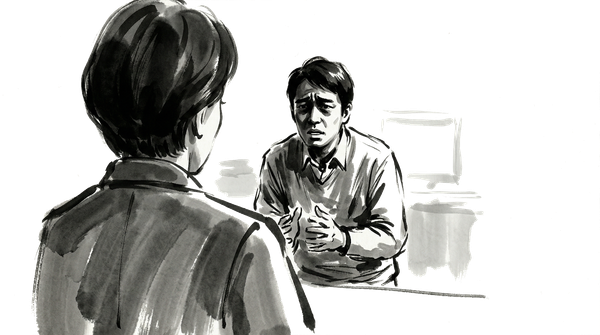
Something goes wrong at work. A project falls flat. A presentation lands badly. You miss a target you were confident you'd hit. And almost before the dust settles, a familiar feeling kicks in: it wasn't just the project that failed. You failed. Something is wrong with you.
That feeling is worth paying attention to, because it's telling you something real, just not what you think.
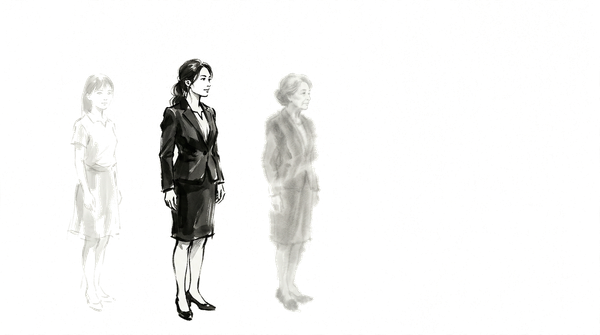
Here's what's actually going on. You carry a mental image of yourself. Not a conscious, deliberate one. It's more like a background story your brain has been quietly assembling for years: you're the person who is good under pressure, or the sharp strategic thinker, or the one who always delivers. That narrative is built from your history, your wins, the feedback you've collected, the identity you've constructed in your own mind.
That narrative is also really useful. It's how you make decisions quickly. It's how you know which challenges to take on and which to pass. Your brain runs on predictions, and the narrative self is one of its most relied-upon models.
The problem is what happens when reality contradicts it.
When a setback doesn't fit the story, your brain doesn't neutrally file it away as new data. It treats the contradiction as a threat. The system that's supposed to keep your internal model coherent goes into protection mode. And instead of updating the model, it starts looking for other explanations: the brief was unclear, the timeline was impossible, the stakeholders kept changing their minds. These aren't always wrong. But notice how they all point away from the model.
This is the brain doing what it does: defending the narrative. The discomfort you feel isn't weakness. It's the cognitive cost of a model under pressure.
Buddhist philosophy has a useful frame for this. The concept of anattā, often translated as non-self, points to the idea that the self is not a fixed thing. It's a process. A construction. The version of you that walked into this job is not quite the same one who is reading this now. Holding the narrative loosely, treating it as a working hypothesis rather than settled truth, creates room for new information to actually land.
So what does that look like in practice?
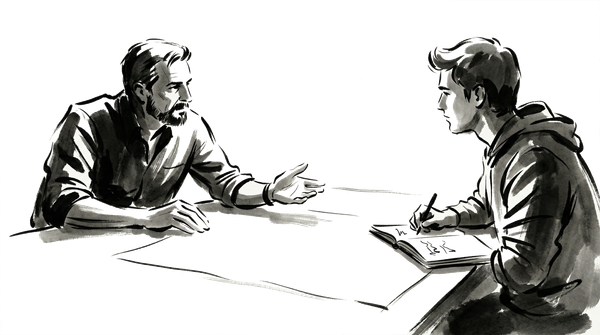
When something goes wrong, try separating the event from the verdict. One concrete way: write down what actually happened. Not what it means, just what happened. Factually, specifically, without interpretation. The project launched late. The deck didn't land. The client pushed back. Then, separately, ask: what does this tell me that I didn't know before?
That second question is the important one. Because it positions the setback as information rather than indictment. It shifts you from defending the old model to updating it.
The goal isn't to abandon your sense of self. It's to hold it a little more lightly. A model that can absorb new data is more useful than one that can't. And a narrative that bends without breaking is more honest than one that never changes.
The story you tell yourself about who you are: it's not the truth. It's a draft. Keep editing it.