Collaboration
When Mentoring Goes Wrong
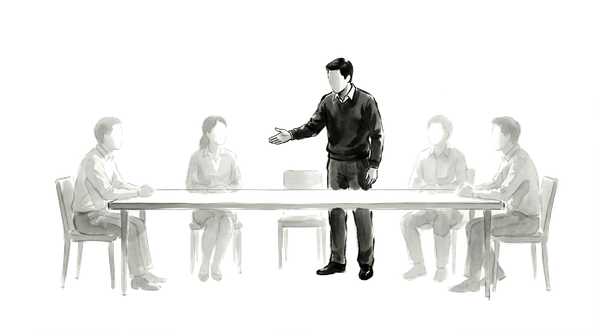
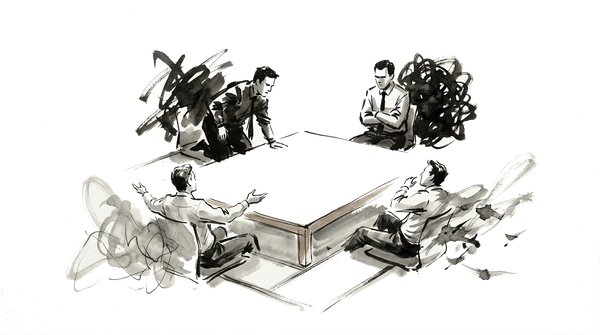
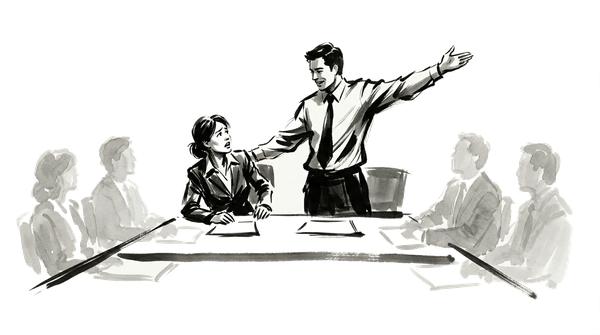
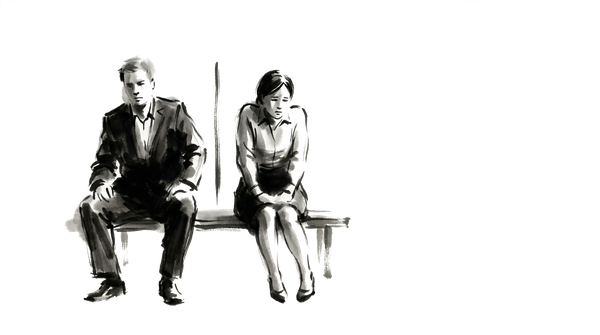
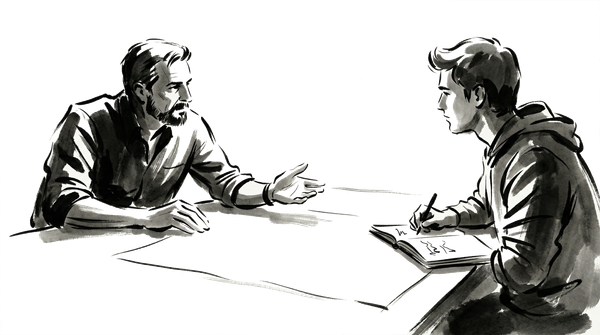
When an opinionated senior engineer and a hesitant junior engineer clash, the real problem isn't attitude; it's two brains doing exactly what evolution designed them to do.
Collaboration
When an opinionated senior engineer and a hesitant junior engineer clash, the real problem isn't attitude; it's two brains doing exactly what evolution designed them to do.
Collaboration
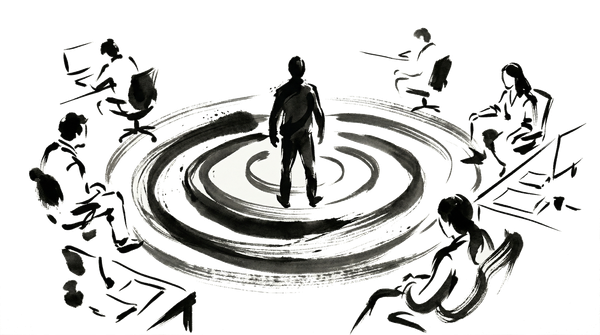
Silence in meetings isn't agreement; it's a rational response to an environment where the brain predicts honesty is unsafe, and fixing it requires redesigning the prediction loop, not asking for more courage.
Collaboration
Using neuroscience and Buddhist philosophy, this post explains why two people can experience the same event completely differently — and what to do about it at work.
Collaboration
Deep expertise is stored as unconscious pattern recognition, which is why experts can't teach what they do and why real-time narration (not documentation) is the only reliable fix.
Collaboration
Self-serving attribution bias turns career setbacks into missed learning opportunities; the fix is reframing feedback requests from backward-looking judgments to forward-looking behavioral predictions.
Collaboration
Credit-taking is a threat response driven by self-model protection, and understanding that mechanism gives you a strategic advantage in how you respond.
Psychological Safety
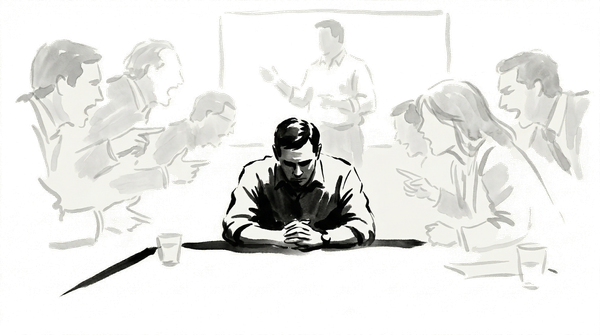
Neuroscience and Buddhist philosophy explain why a publicly humiliated engineering manager became risk-averse — and what his team should have done differently.
Social Co-Regulation
Drawing on the neuroscience of mirror neurons and emotional contagion, this post explains why a manager's emotional state spreads to the whole team — and what to do about it.
Narrative Identity
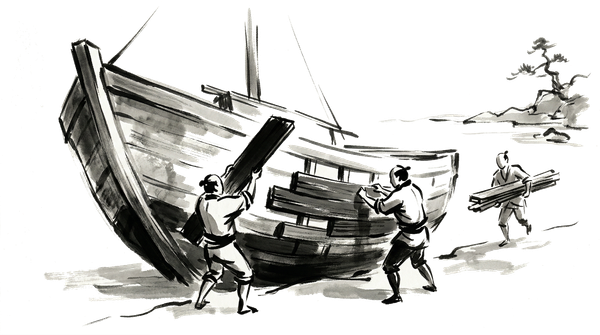
The Ship of Theseus paradox reveals that identity, whether personal or organizational, isn't defined by what it's made of but by the continuity of purpose and pattern that persists through constant change.
Emotional Regulation
Suppressed emotions don't disappear at work; they accumulate silently, driving conflict, eroding trust, and undermining performance until individuals learn to treat feelings as information rather than interference.
Collaboration
A leader's emotional state is neurologically contagious, and the most effective thing a manager can do is regulate their own nervous system before trying to lead anyone else.
Collaboration
High expertise builds strong mental priors that improve pattern recognition in familiar domains but systematically filter out disconfirming signals in novel situations, making smart people wrong in predictable ways that can be countered through structural practices like pre-mortems and red teaming.