You're Not the Same Person You Were Ten Years Ago (And Neither Is Your Company)
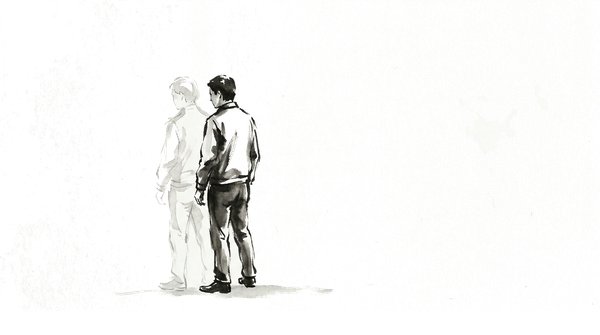
Every cell in your body has regenerated. Your beliefs have shifted. The version of you from a decade ago is basically gone, yet you still feel like you. The Ship of Theseus isn't just a thought experiment; it's your life.
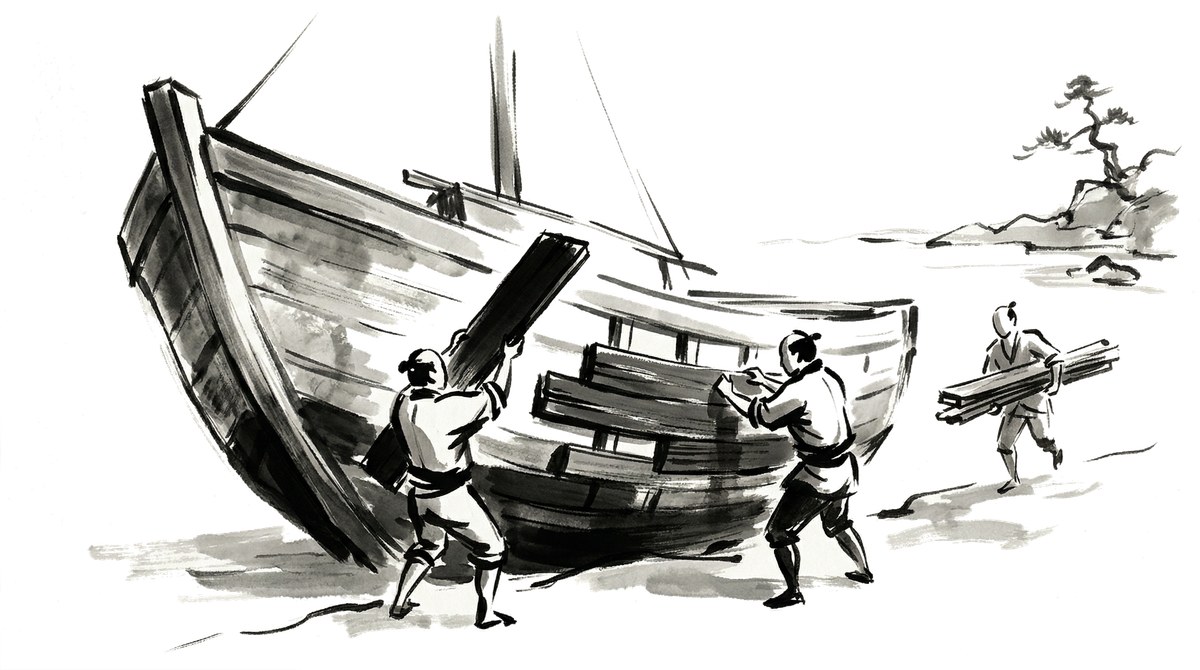
Here's a question that's been bugging philosophers for centuries: if you replaced every single plank on an old wooden ship, one by one, until none of the original wood remained, would it still be the same ship?
That's the Ship of Theseus. And it's not just a thought experiment for people with too much time on their hands. It's actually a pretty useful way to think about identity, change, and what makes anything, including you and your workplace, coherent over time.
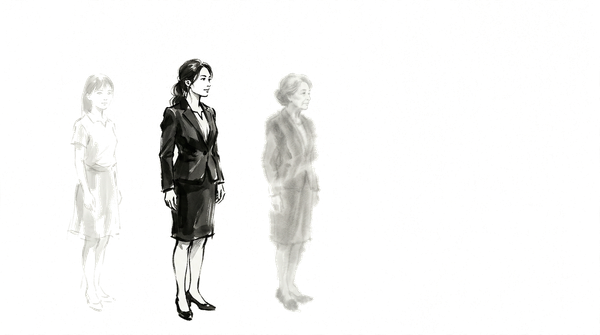
You're already living this paradox. Every cell in your body regenerates. Your beliefs shift. Your habits evolve. The version of you from a decade ago is basically gone in any material sense. Yet you still feel like you. Something persists, just not the stuff you're made of. What persists is the pattern, the continuity of memory, purpose, and how you relate to the world around you.
Cognitive scientist Murray Shanahan explores something similar in his work on consciousness. He argues that what we call the "self" isn't a fixed thing; it's an ongoing process of integration. What we experience as "I" is more like a river than a rock. There's a concrete version of this in the neuroscience: the sense of being a continuous you is a high-level prediction your brain runs and keeps updating, a story it actively maintains rather than a thing it stores. That's what holds steady while the cells turn over, not the material, but the predictive model the brain keeps regenerating. And here's where it connects to Buddhist philosophy: that description sounds a lot like anattā, the doctrine of non-self. You aren't a static, isolated essence. You're a pattern being continuously rebuilt, in relationship, in motion.
Now, think about your company through the same lens. People leave and are hired. Technology gets replaced. The strategy pivots. The product roadmap looks nothing like it did three years ago. If every plank changes, what holds the thing together?
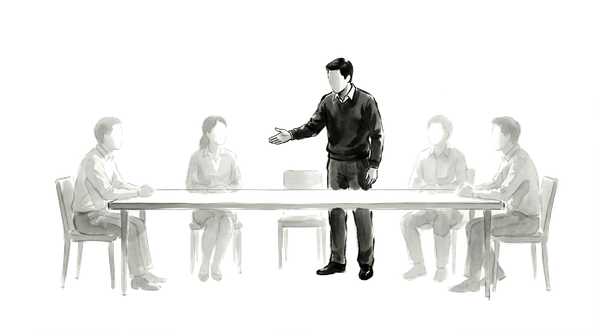
Most organizations try to answer that with logos, mission statements, and town halls. And look, those aren't nothing. But the deeper continuity lives somewhere else: in the shared purpose people feel, the cultural patterns that survive leadership transitions, the way people treat each other under pressure. A company, like a person, isn't its buildings or its org chart. It's the network of meaning that keeps regenerating, a shared model its people collectively maintain and predict their way back into every day.
This is where the Buddhist concept of anicca, or impermanence, becomes more than a spiritual idea. It's practical wisdom. Suffering, in Buddhist terms, starts when we resist the natural flow of change. In a workplace, that resistance looks like clinging to last year's processes because they used to work, or protecting organizational structures that no longer serve the actual mission. The suffering is real: burnout, stagnation, the slow erosion of trust.
The healthiest organizations don't fight this. They build continuity of intention even as their structure keeps transforming. Leadership becomes less about defending what was built and more about stewarding what's becoming. That's a different job description than most people expect when they take the corner office.
The Ship of Theseus, it turns out, isn't a warning. It's a model. Identity, personal or organizational, is a verb. The ship stays the same ship not because the wood doesn't change, but because someone keeps sailing it somewhere worth going.