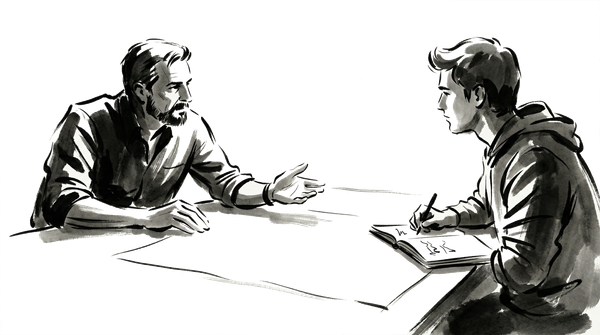
When Mentoring Goes Wrong
The better an expert is at their job, the harder they can be to learn from. When a senior engineer and a junior one clash, neither is being difficult. Both brains are defending a self-model the disagreement keeps poking at.

The better an expert is at their job, the harder they can be to learn from. When a senior engineer and a junior one clash, neither is being difficult. Both brains are defending a self-model the disagreement keeps poking at.
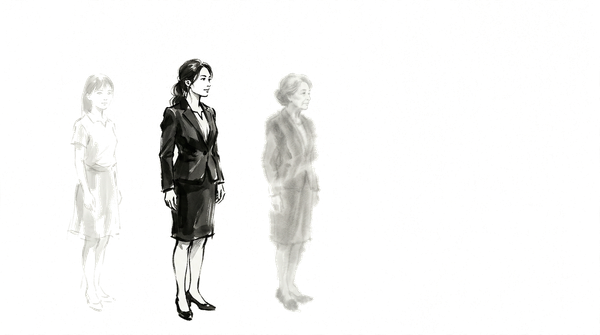
There's a version of you living in your head, with a job title, a reputation, and a set of things it's supposed to want. That version isn't you. It's a story. And most of it was written by someone else.
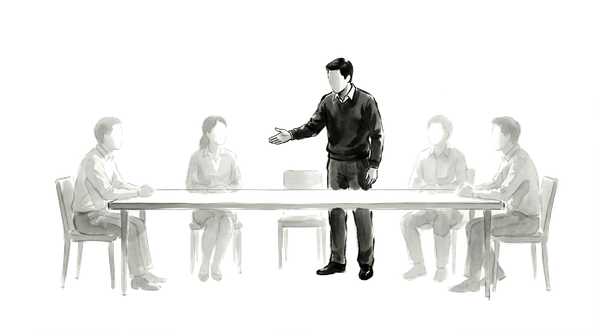
Silence in a meeting isn't agreement, it's your team's nervous system correctly predicting that honesty is unsafe. Fixing it means redesigning the prediction loop, not asking for more courage.
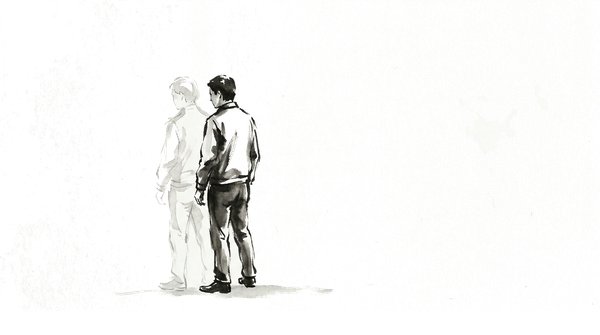
When a project fails, almost before the dust settles, it stops being about the project. Your brain turns it into a verdict about you. That feeling is real, but it's not telling you what you think it is.
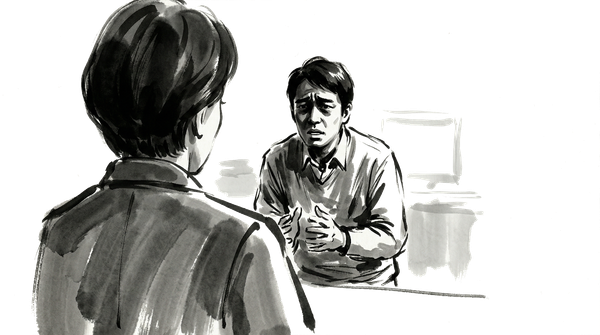
When a project is in crisis, the instinct is to look to your manager for reassurance. But she's stuck too, and the relief you're looking for isn't in her hands.

Criticism doesn't just sting, it activates the same neural circuits as physical pain. Understanding that isn't just interesting; it's what lets you actually use feedback instead of just surviving it.
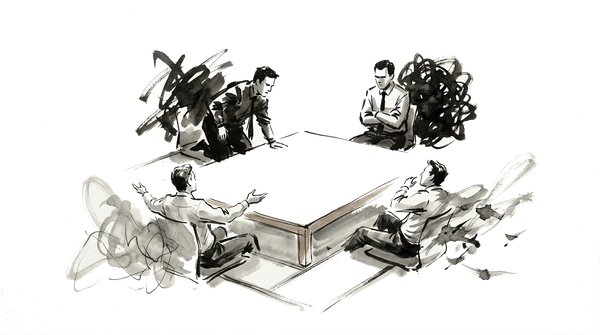
You walked out of the meeting feeling good. Your colleague is convinced it was a disaster. Same room, same conversation, completely different realities, and neither of you is wrong.
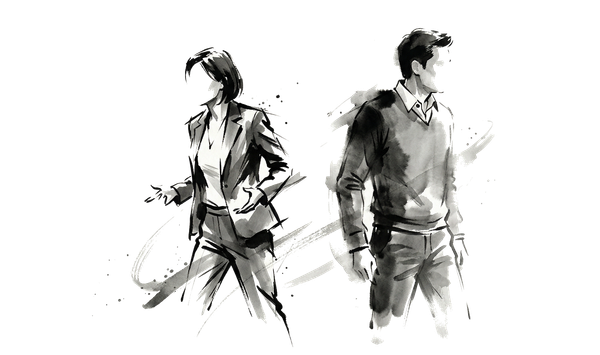
When a colleague argues hard against a well-supported idea, the reasons are often a threat prediction made experiential. Understanding what they're protecting gets you further than winning the debate.
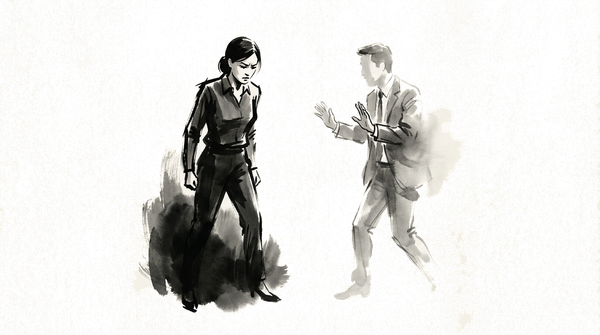
Marcus gave the same blunt feedback to four engineers. Three took it in stride, one even pushed back and made it better. One is sitting in your office, upset. The discomfort is real; the interesting question is what it's tracking.
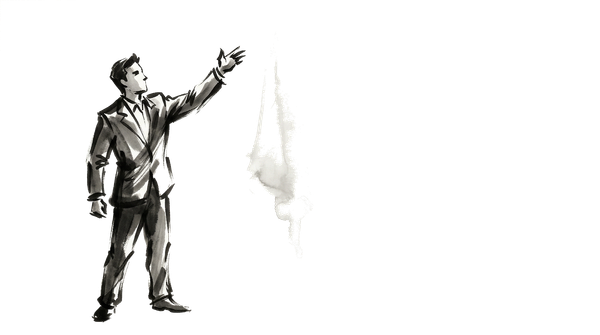
Your best person reviews a proposal, spots a fatal flaw in 30 seconds, and can't explain how they saw it. Deep expertise isn't stored as instructions, it's baked into the nervous system as automatic pattern recognition that operates below conscious thought.
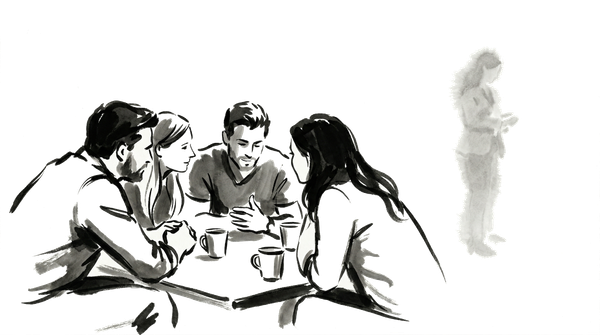
When a manager makes an unpopular call, the group indignation that follows isn't a character flaw. It's your brain predicting a social threat and building righteous certainty to match, which is exactly what makes it so hard to think clearly through.
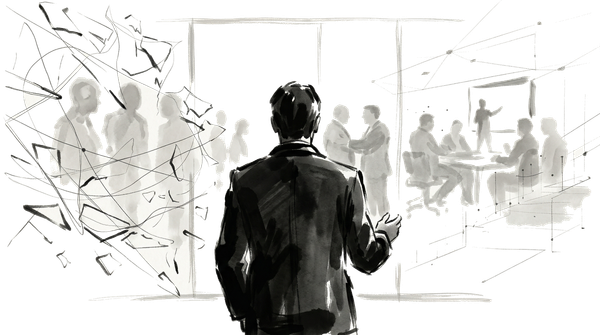
You didn't get the promotion, and your brain is already writing the story about why. That story feels like processing, but it's mostly protecting. And it might be keeping you exactly where you are.
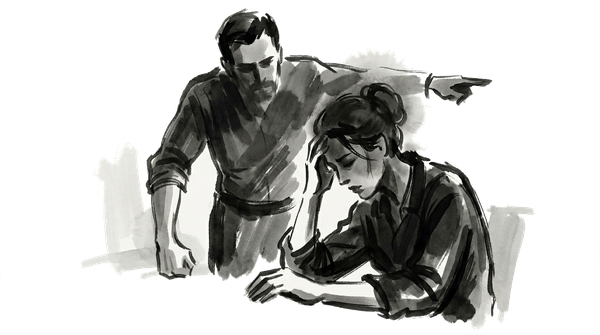
Stress & Regulation
When your manager hovers, your performance actually does get worse, not because you've lost confidence, but because your brain has been cut off from the operating system it needs to function.
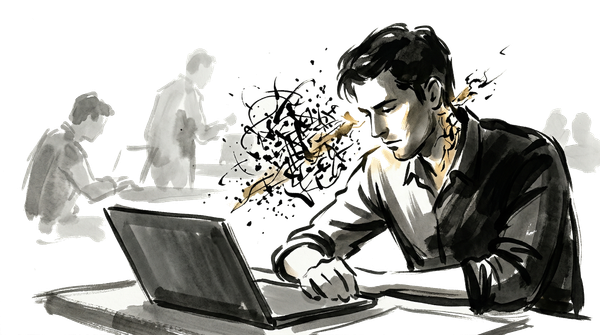
Stress & Regulation
Burnout doesn't announce itself, it accumulates below the level of conscious awareness until the brain decides the most efficient solution is to stop predicting anything at all. It's not a workload problem; it's a prediction problem.
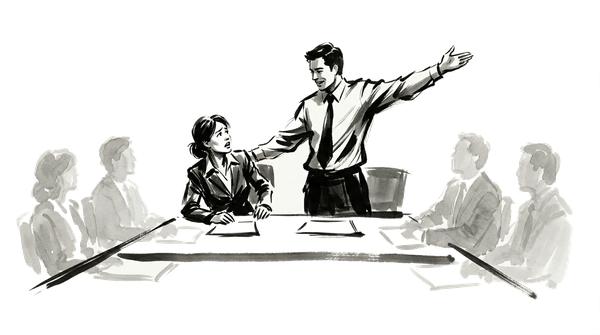
Collaboration
Someone just presented your work as theirs, and how you handle the next five minutes matters a lot more than the injustice itself. Credit-taking is a threat response, not a character flaw, and understanding that mechanism gives you a real strategic edge.
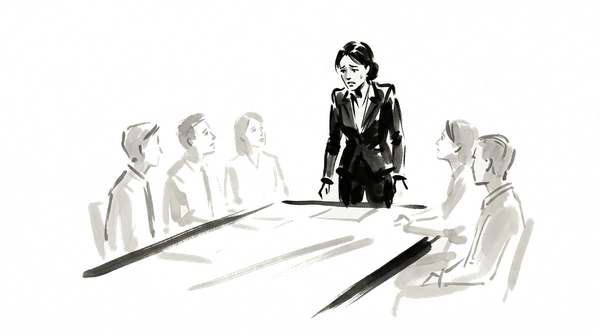
Stress & Regulation
The meetings where you most need your brain are the exact ones where it shuts down. That's not a confidence problem, it's a threat response hijacking your working memory in real time.
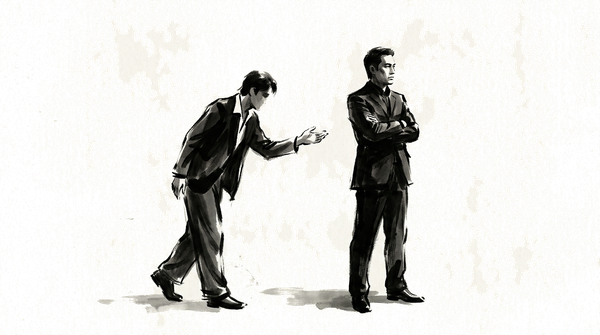
Conflict & Resolution
You said sorry. They heard it. And somehow, nothing got better. Most workplace apologies aren't designed to help the other person, they're designed to help you, and people can feel that, even when they can't name it.
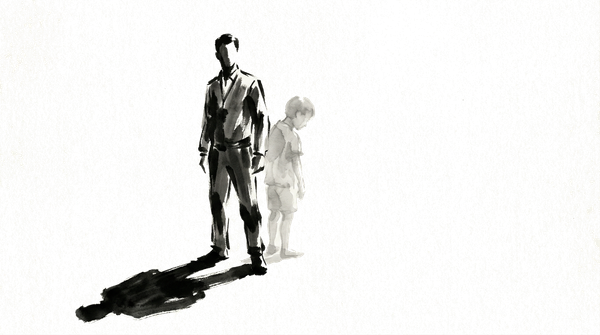
Self-Awareness
When something gets under your skin, the instinct is to focus on what they did wrong. But the feeling isn't something they handed you, your brain built it, in the moment, out of materials it's used before. That's where the real leverage is.
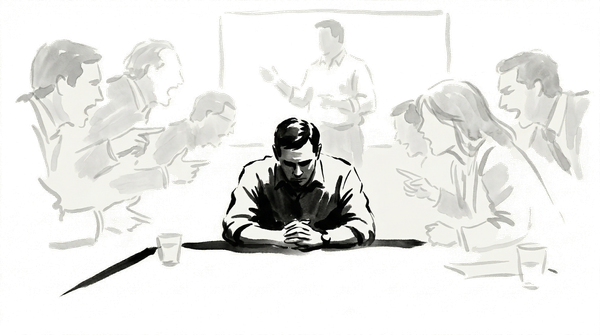
Psychological Safety
After being publicly humiliated, an engineering manager became risk-averse and hard to work with. His colleagues called it difficult. His brain called it a reasonable forecast. There's a difference, and it matters.
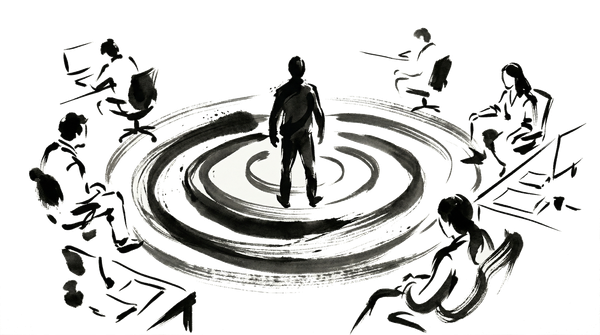
Social Co-Regulation
One person's bad mood can put half a room on edge by 3pm, and nobody knows why. This isn't drama; it's your nervous system doing exactly what it was built to do.
Conflict & Resolution
Words don't create wounds, they find the ones already there. The things that sting are the things that bump into something you already believe, fear, or care about deeply.
Narrative Identity
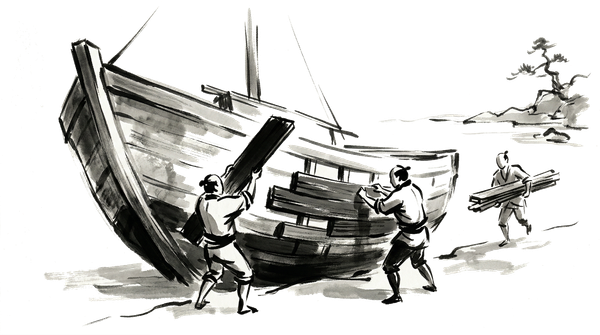
Every cell in your body has regenerated. Your beliefs have shifted. The version of you from a decade ago is basically gone, yet you still feel like you. The Ship of Theseus isn't just a thought experiment; it's your life.
Emotional Regulation
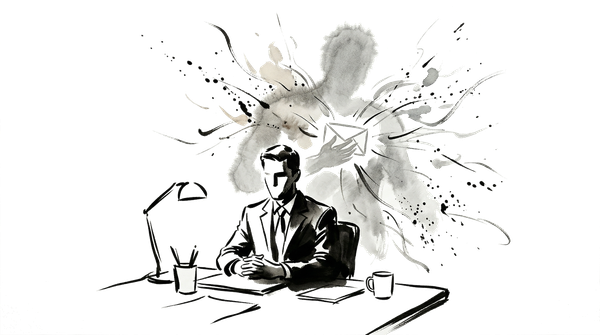
The feeling you won't let yourself register doesn't vanish. The raw body signal keeps arriving, and your brain keeps building something out of it, often clumsier than if you'd noticed the state directly.
Emotional Regulation
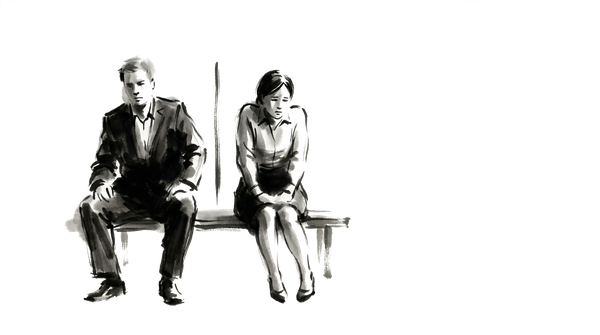
Your workplace runs an emotional economy in the background whether anyone names it or not. Suppressing what's there isn't free, it carries a real cost and it leaks anyway, and the one move with solid support is also the least dramatic.