Why Words Only Hurt When They Land
Words don't create wounds, they find the ones already there. The things that sting are the things that bump into something you already believe, fear, or care about deeply.
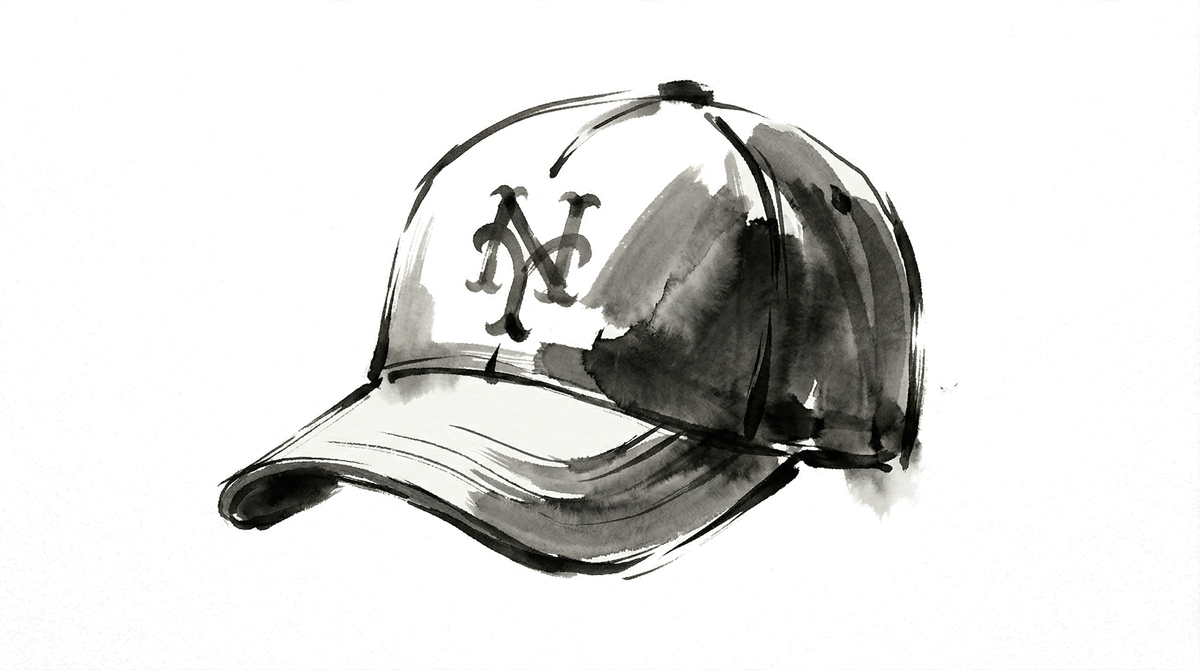
Imagine someone walks up to you and says, "You must be so embarrassed being a Mets fan." Now imagine you have zero interest in baseball. You've never watched a game. You don't know the standings, don't care about the standings, couldn't name five players if your life depended on it.
How do you feel?
Nothing. Maybe mild confusion. Maybe a little sorry for the person who thought that was an insult.
You don't feel embarrassed. You don't need to talk yourself down from embarrassment. You don't need to remind yourself that it's totally fine to like whatever baseball team you want. The whole thing just slides right off you, because there's nothing there to stick to.
Now flip it. Same comment, but you actually are a Mets fan. You've been a Mets fan since you were eight years old. Your dad took you to games. You bled blue and orange through some genuinely painful seasons.
Same words. Completely different experience.
That's not a coincidence. That's the whole story.
Your brain doesn't passively receive the world; it actively constructs your experience of it. Neuroscientist Lisa Feldman Barrett has spent her career showing that feelings aren't hardwired responses just sitting there, waiting to be triggered by the right stimulus. They're predictions your brain makes based on what's already in there: your history, your concepts, your sense of who you are. Your brain is constantly running one background question: what does this mean for me?
When someone makes a crack about the Mets and you couldn't care less about baseball, your brain runs that question and comes back with: nothing. No prediction activates. No emotion gets built. You just stand there, unbothered.
But when you do care, when that team is wrapped up in your identity, your memories, your self-concept, your brain has a lot of material to work with. It pulls all of that in, runs its prediction, and hands you embarrassment, defensiveness, maybe a little sting.
The words that hurt us are words that bump into something we already believe, or fear, or care about deeply. They activate what's already there. They're not creating the wound from nothing, they're finding the tender spot that already exists.
Which, if you sit with it long enough, is actually kind of useful information.
The next time something someone says genuinely stings, in a meeting, in a performance review, in a casual hallway comment that you somehow can't stop thinking about; the pain itself is pointing somewhere. Not at them. At something inside you that matters. Something real. Maybe it's a value. Maybe it's an insecurity. Maybe it's both at the same time, which is honestly where most of the interesting stuff lives.
You can't get hurt by something you don't care about. Which means the sting is always, at some level, a signal about you.
That's not a criticism. It's just the brain doing exactly what it's designed to do: protecting and organizing everything you've built into a sense of self.
The practice is learning to get curious about the signal instead of just reactive to the source.