The Rashomon Effect: Why You and Your Colleague Can't Agree on What Just Happened
You walked out of the meeting feeling good. Your colleague is convinced it was a disaster. Same room, same conversation, completely different realities, and neither of you is wrong.
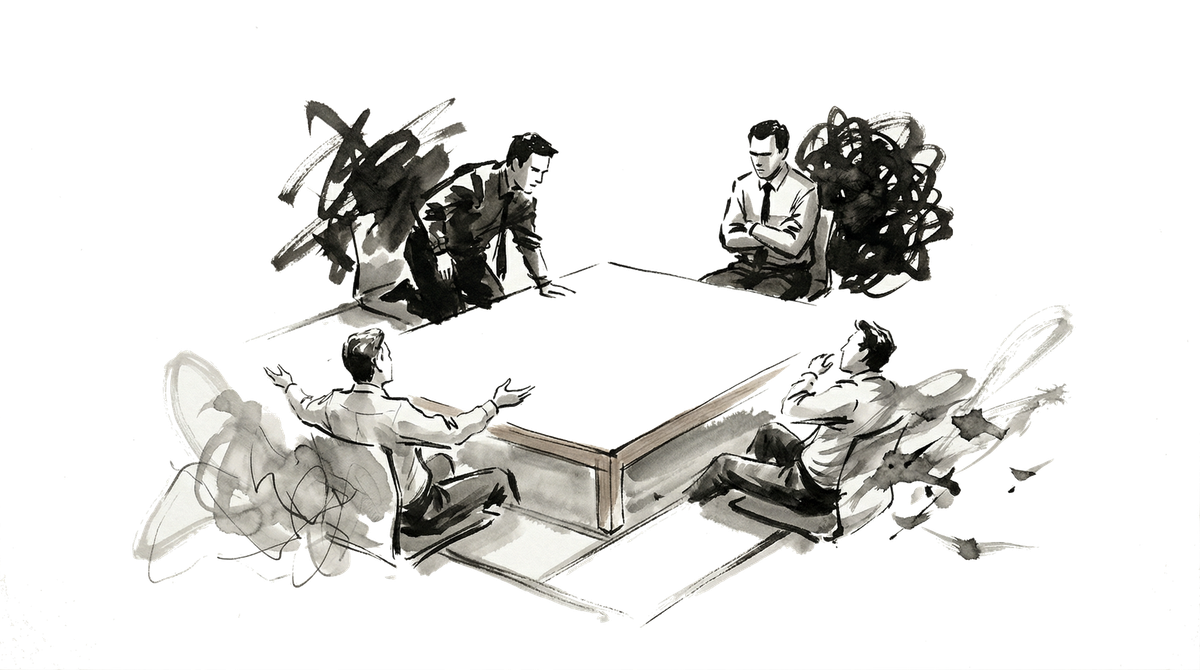
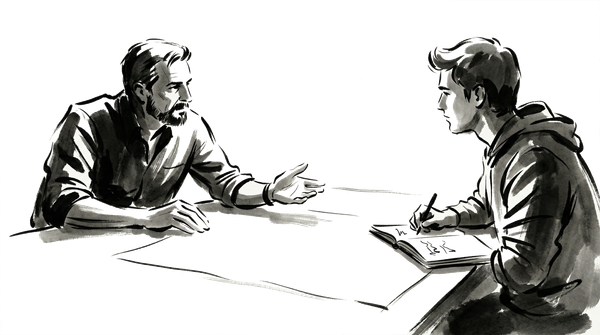
You walk out of a meeting feeling good. You made your points clearly, everyone seemed on board, and things felt productive. Your colleague walks out of the same meeting convinced it was a disaster. Same room. Same conversation. Completely different realities.
This isn't anyone being difficult. It's neuroscience.
Your brain doesn't record reality like a camera. It constructs it. Every second, your senses are flooded with roughly 11 million bits of information, but your conscious mind can only process around 50 of them. So your brain fills in the rest by pulling from what it already knows, your past experiences, your beliefs, your fears, your expectations. Neuroscientists call this predictive processing. You're not perceiving the world as it is. You're perceiving the world as your brain predicts it will be.
The same meeting registers completely differently depending on what you brought into the room. If you've been burned by passive-aggressive feedback before, your brain is already scanning for it. If you grew up in an environment where disagreement meant danger, a raised voice reads as a threat, even if the speaker is just enthusiastic. Your colleague, raised in a loud Italian family where arguing at the dinner table was a sign of love? They thought the meeting was great.
This is what the Japanese filmmaker Akira Kurosawa captured in Rashomon back in 1950. Four witnesses to the same crime tell completely different, and internally consistent, versions of events. Each one is telling their truth. And each truth is real, filtered through the lens of who they are.
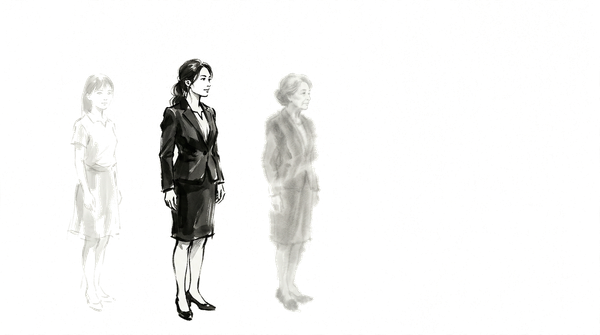
Buddhist philosophy has understood this for millennia. The concept of pratītyasamutpāda (dependent origination) teaches that nothing exists independently. Everything arises in relation to everything else. What you perceive isn't objective reality. It's reality filtered through the conditions of your existence. Your anger, your craving, your history: they color everything you see.
So what do you do with this at work?
First, get curious instead of certain. When a colleague reacts in a way that seems irrational, the question isn't what's wrong with them; it's what are they seeing that I'm not? That shift alone changes everything.
Second, name your own filter. Before you respond in a tense conversation, take a breath and ask yourself: Am I reacting to what just happened, or to something that happened years ago? Mindfulness isn't just meditation cushions and incense, it's the practice of noticing your own narrative before you act on it.
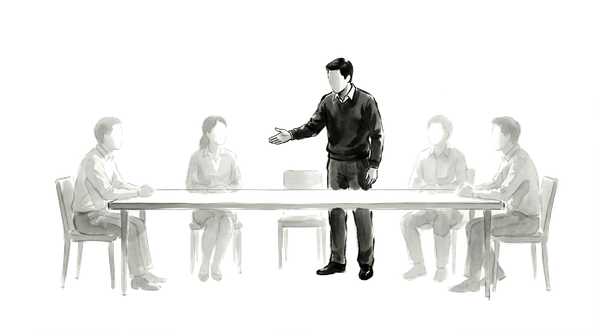
Third, create space for multiple truths. In your next team meeting, instead of trying to convince everyone you're right, try getting genuinely curious about what they're seeing. Not as a debate tactic, as a real inquiry. Different perspectives aren't obstacles to good decisions. They're the inputs that make decisions better.
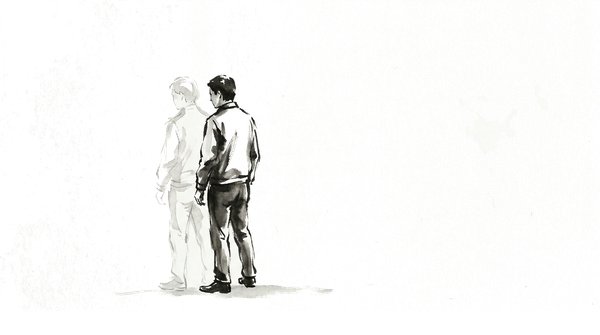
Your brain is doing its best with the information it has. So is everyone else's. The gap between you isn't about who's right. It's about whose lens you're looking through.
And once you know that, everything changes.