Collaboration
When Mentoring Goes Wrong
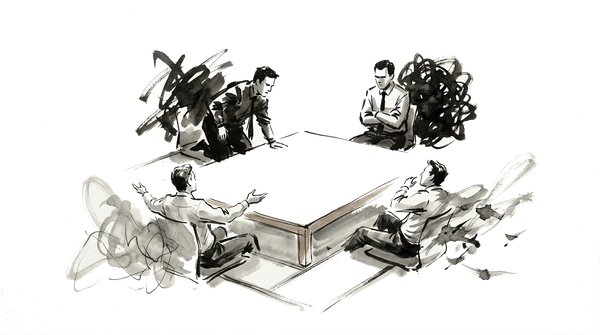
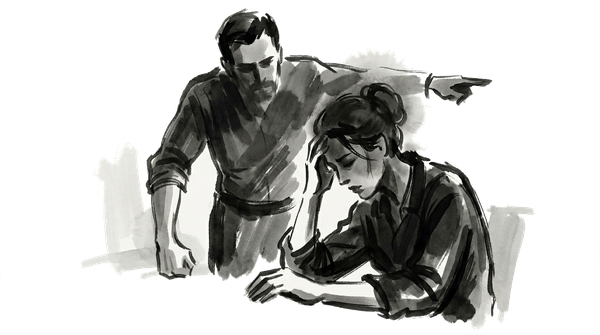
When an opinionated senior engineer and a hesitant junior engineer clash, the real problem isn't attitude; it's two brains doing exactly what evolution designed them to do.
Collaboration
When an opinionated senior engineer and a hesitant junior engineer clash, the real problem isn't attitude; it's two brains doing exactly what evolution designed them to do.
Self-Awareness
The narrative self your brain constructs is largely built from other people's projections and fears, and mistaking that story for reality is the root of a particular kind of suffering.
Collaboration
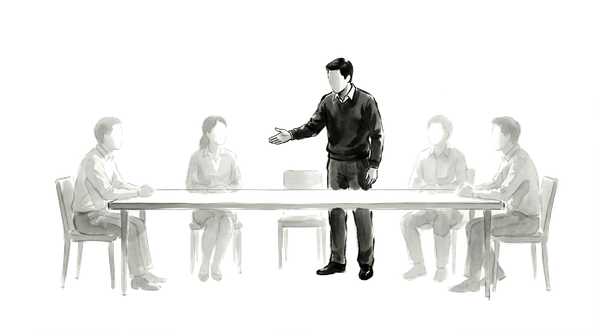
Silence in meetings isn't agreement; it's a rational response to an environment where the brain predicts honesty is unsafe, and fixing it requires redesigning the prediction loop, not asking for more courage.
Self-Awareness
When workplace setbacks feel like personal indictments, it's because your brain is protecting a mental narrative of yourself rather than processing new information.
Conflict & Resolution
Criticism activates the same neural circuits as physical pain, and understanding that mechanism is what lets you actually use feedback instead of just defending against it.
Collaboration
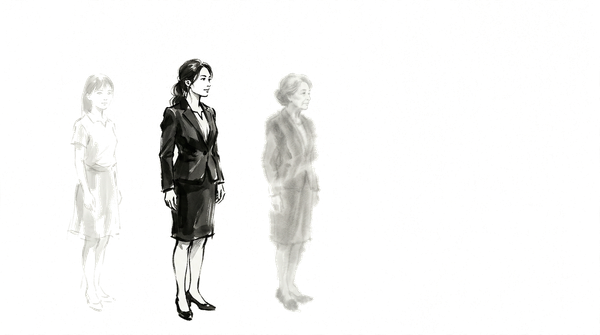
Using neuroscience and Buddhist philosophy, this post explains why two people can experience the same event completely differently — and what to do about it at work.
Collaboration
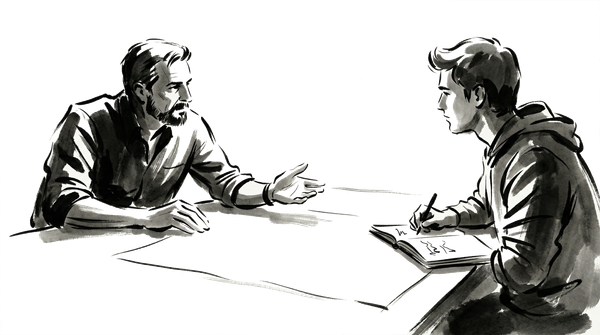
Deep expertise is stored as unconscious pattern recognition, which is why experts can't teach what they do and why real-time narration (not documentation) is the only reliable fix.
Conflict & Resolution
When managers make unpopular calls, tribal bonding and amygdala threat responses make group indignation feel like safety, but often at the cost of clear thinking.
Stress & Regulation
Micromanagement degrades performance not because it's unpleasant but because it removes the autonomous action loop the brain needs to function.
Stress & Regulation
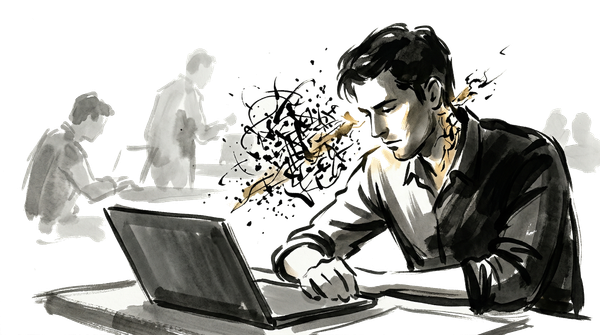
Burnout isn't a workload problem; it's what happens when the brain's predictions about effort and reward chronically fail to match reality, until the system shuts down to protect itself.
Stress & Regulation
Your brain's threat response hijacks exactly the cognitive resources you need in high-stakes meetings, but a targeted pre-meeting practice can shift your neurological state before the moment arrives.
Conflict & Resolution
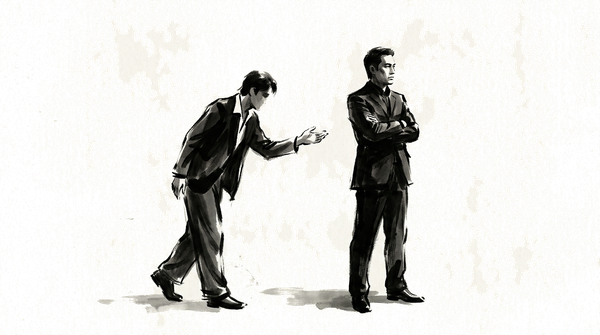
Most workplace apologies fail because they're designed to relieve the apologizer's discomfort rather than update the other person's mental model, and people can feel that difference even when they can't articulate it.