What Happens in Your Brain When You're Being Micromanaged
When your manager hovers, your performance actually does get worse, not because you've lost confidence, but because your brain has been cut off from the operating system it needs to function.
Core Claim
When your manager hovers, the problem isn't their personality or your confidence. Your brain is being cut off from its own operating system, and the performance drop that follows is almost inevitable.
Situation
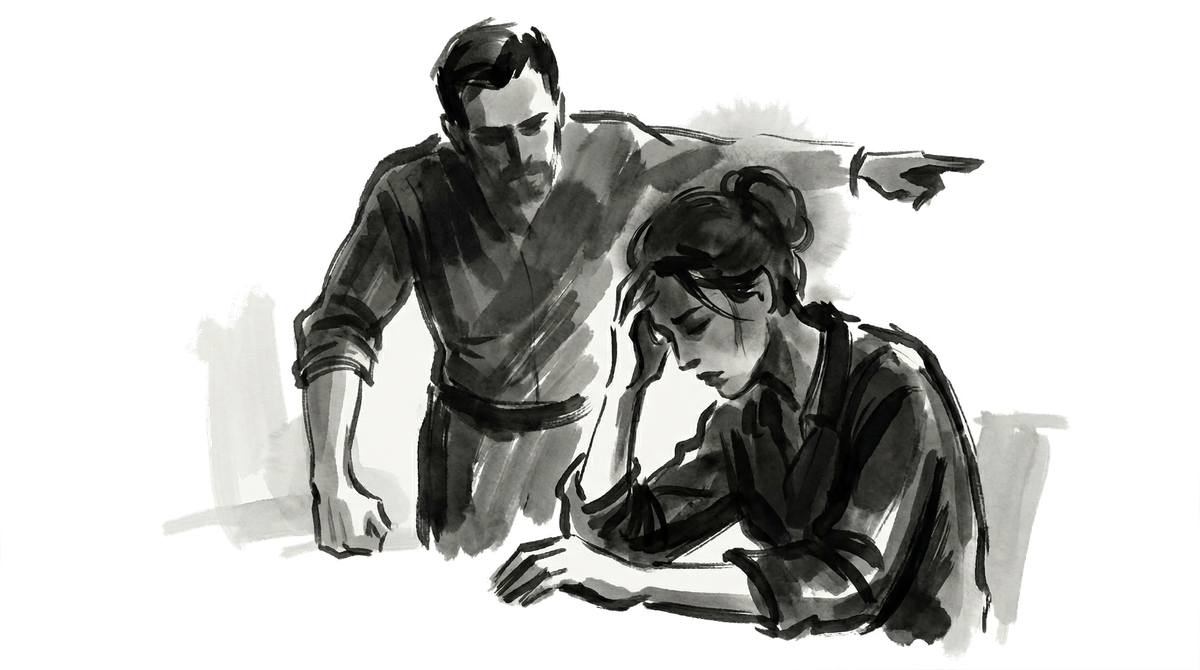
You're working on something. Your manager checks in. Then checks in again. They revise a call you already made, insert themselves into how you're executing, and suddenly you can't seem to do anything right. And here's the cruel part: your performance actually does get worse. Which your manager reads as proof that they were right to stay close. So they stay closer. You get worse.
This isn't a communication problem or a personality clash. It's two nervous systems locked in a feedback loop that neither of you chose.
Mechanism
Your brain isn't just a prediction machine; it's also an action machine. Neuroscientist Karl Friston's active inference framework describes how the brain constantly generates predictions about the world and then acts to make those predictions come true. Autonomous action is the core of how your brain operates. You predict, you act, you check the result, you update.
Micromanagement removes the action step. You're executing someone else's predictions now, not your own. The loop can't close. Your brain's error-correction system is spinning with no way to resolve the signal.
This is why the performance drop isn't about capability. You haven't forgotten how to do your job. You're just running on borrowed architecture. The cognitive load is real, the threat activation is real, and the resulting anxiety isn't weakness; it's your brain correctly sensing that something about this situation is wrong.
Practice
If you're the one being micromanaged, the first move is to separate two things that feel like one thing: the task constraint (your manager is involved in your work) and the threat response (your nervous system is activated). You can't negotiate the constraint while your brain is in threat mode. So handle the activation first.
Affect labeling helps here. Before you go into that conversation, name what you're actually feeling: frustrated, undermined, anxious. Research by Matthew Lieberman at UCLA shows that naming an emotion reduces its intensity in the brain's threat centers. You don't need to say it out loud; just name it internally. Then go talk to your manager.
The framing that tends to land: "Can we agree on the outcome and let me own the path?" That's not a challenge to their authority; it's an invitation that their brain can hear without triggering its own defensive response.
If you're the manager: your need to check in constantly is itself a prediction, built from somewhere. A past team that dropped the ball, a project that went sideways, a moment where you felt blindsided. Ask yourself honestly whether that prior is calibrated to this person and this situation, or whether you're managing a ghost.
Why It Works
Giving someone back their prediction loop, the ability to act on their own model of the situation, isn't just a management nicety. It's how performance actually works at a neurological level. Autonomy isn't a morale issue; it's an architectural one. When people can close their own loops, they learn faster, correct faster, and stay regulated. When they can't, they degrade, regardless of how talented they are.
The micromanagement trap isn't about trust. It's about two brains both trying to author the same predictions, and only one of them winning.