Why You Get Upset (And What To Actually Do About It)
When something gets under your skin, the instinct is to focus on what they did wrong. But the feeling isn't something they handed you, your brain built it, in the moment, out of materials it's used before. That's where the real leverage is.
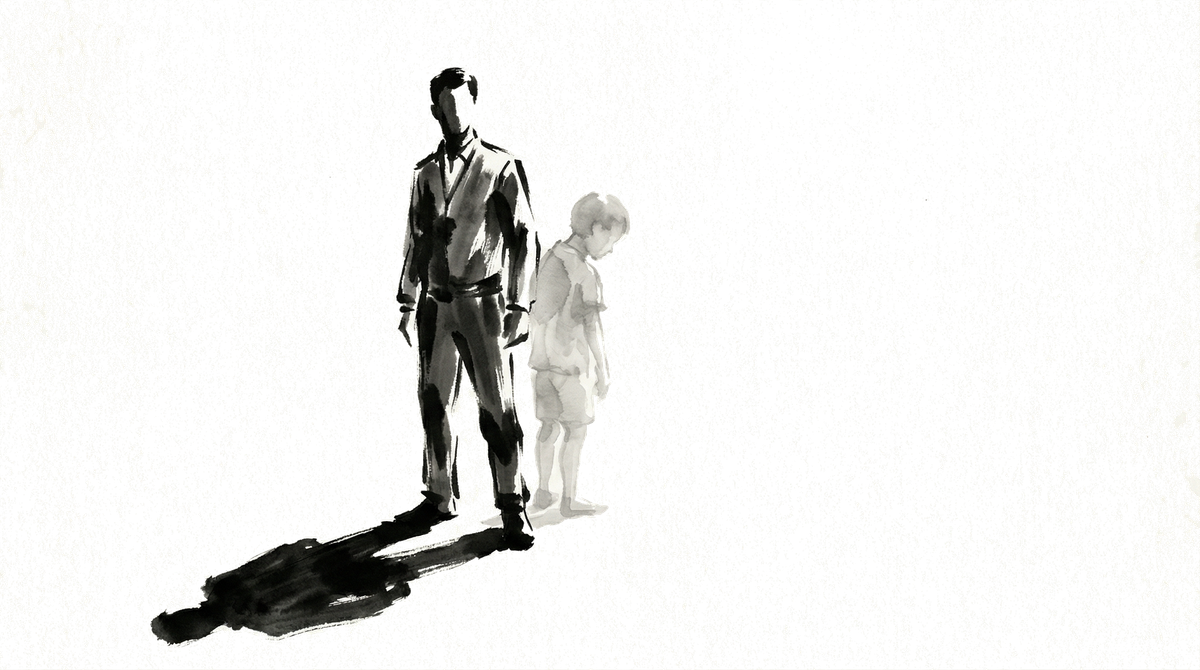
A colleague dismisses your idea in a meeting. A friend says something that stings. Your boss piles on right when you're already struggling. It happens constantly, at work and everywhere else: someone says or does something, and you get upset.
But here's the question worth sitting with: Why did it land so hard?
That's the real thing to look at. Not just whether the other person was wrong (they might have been), but why their behavior created such a strong reaction inside of you. What is that feeling? Where is it coming from?
This is hard to do, especially in the moment. Our instinct is to focus outward. If they would just stop doing that, if they would just say things differently, if they would just treat me with a little more respect, then I wouldn't feel this way. We put the whole thing on the other person.
The problem is you can't make people be different than they are. People are going to do what they do. If your sense of calm depends on everyone around you behaving exactly how you want, you're going to be frustrated a lot.
So what's actually going on in that flare-up? Here's the part that matters, and it cuts against the obvious story. The reaction doesn't feel manufactured, it feels like the other person handed it to you. But your brain isn't pulling a finished feeling off a shelf where it sat waiting to be triggered. It's building the feeling in the moment, on the spot, out of three things: what's happening in your body right then, the concepts and past experiences you bring, and what the situation means to you. That's the constructed-emotion view in a sentence, emotions are assembled, not stored and released. Which is oddly good news, because it locates the reaction in you (where you have some access) rather than in them (where you have none). The colleague's comment is the occasion. The feeling is your construction.
That's also why tracing it back tends to land somewhere personal, I'm afraid of being disrespected, or this is touching something about not being good enough, or I'm scared of losing control here. Not because an old wound got poked, exactly, but because your brain built this particular feeling using the materials it's used before. Same materials, similar build.
There's one move here with actual research behind it, and it's quieter than it sounds: naming the feeling. When people put an emotion into words, "okay, this is embarrassment," "this is anger", imaging work (Lieberman and colleagues) finds more activity in prefrontal regulatory regions and a smaller amygdala response. Worth being honest that the effect is modest and that labeling a feeling in a calm scanner isn't the same as doing it mid-conflict. But there does seem to be something to it: putting words on the state changes the state a little.
And the gap matters too, the half-second between the spike and whatever you do next. Catching the reaction before acting on it isn't about talking yourself out of anything. It's that noticing the construction as it's happening seems to give the regulatory systems a moment to engage before the reflex commits you. Easier described than done, and the evidence for doing it in real time is thinner than for the tidy lab version, but that's the lever, when there is one.
None of this is about being a pushover, or pretending things don't sting. It's about seeing where the fire is actually getting built, before you start throwing fuel on it.