Why the Smartest Person in the Room Is Often Wrong in Predictable Ways
High expertise builds mental priors so strong that they filter out the exact signals you need in novel situations. The smartest person in the room isn't randomly wrong, they're wrong in the same direction, every time.
Core Claim
Here's something that will feel familiar if you've spent time in any organization: the most experienced, most credentialed person in the room keeps missing things that junior people catch easily. And they're not just wrong, they're wrong in the same direction, over and over. That's not bad luck. High expertise creates mental models so strong that they actively filter out signals that don't fit. Inside familiar territory, this is a superpower. At the edges, or in genuinely new situations, it becomes a trap.
The Situation
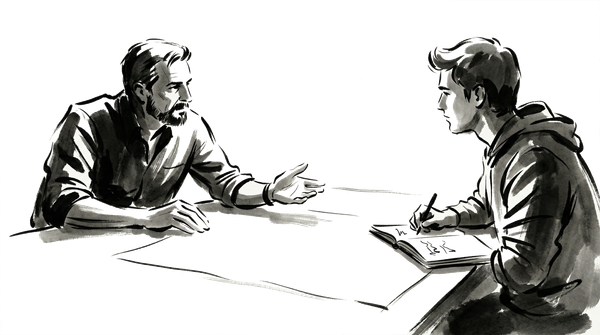
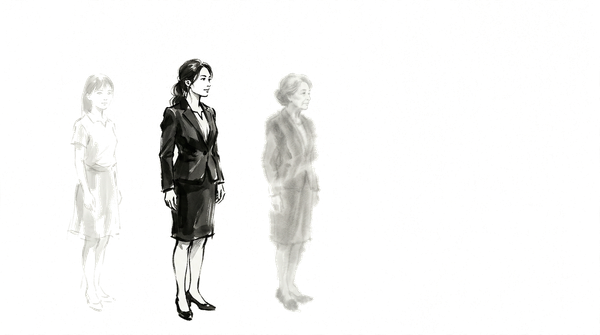
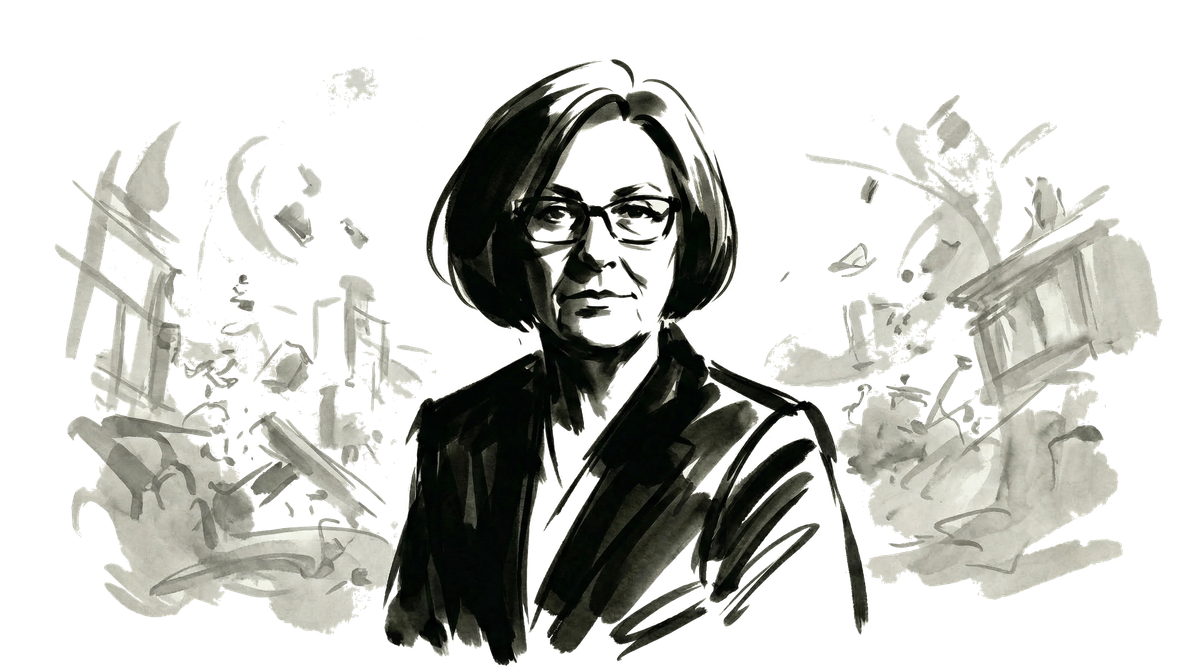
Picture a senior leader with 25 years of experience. Sharp, respected, has seen everything. But lately, the junior analysts keep flagging stuff she's dismissing. A new competitor enters the market in a weird way, she explains it away. Customer feedback starts shifting, she has context for why that's noise. She's not being arrogant, exactly. She's just confident, and her confidence seems earned. Until it isn't. The failure, when it comes, looks incomprehensible to outsiders. How did someone that smart miss something so obvious?
The Mechanism
At a basic cognitive level, expertise is a library of strong priors. Your brain is constantly running a prediction engine, and years of pattern-matched experience make those predictions faster and more reliable. This is genuinely useful, it's why a seasoned doctor can spot something in two minutes that takes a resident two hours.
But strong priors have a cost: they weight incoming data low. When your model is powerful, new information gets processed through it rather than updating it. A novice, with weak priors, has no choice but to look carefully at what's actually in front of them. An expert perceives confirmation of a model they've already built. The more novel the situation, the more this backfires. The expert isn't being stupid. Their brain is doing exactly what it's designed to do. The design just isn't built for this moment.
The Practice
So what do you do about it? You have to build structural friction against confident prediction. Three things actually work.
Pre-mortems, popularized by psychologist Gary Klein, ask people to imagine the project has already failed, before any commitment is made, and explain why. This temporarily disrupts prior confidence by forcing the generation of failure scenarios that the dominant model would otherwise suppress.
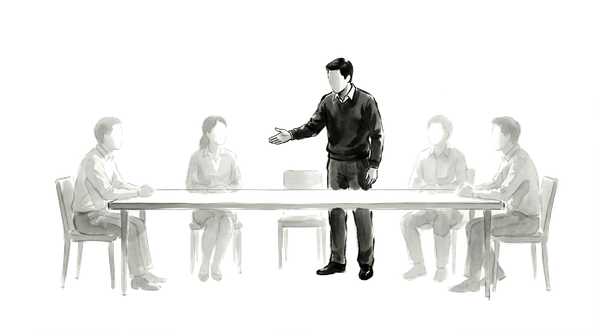
Red teaming works the same way but assigns the adversarial role explicitly. Someone's job is to attack the dominant view. It removes the social cost of dissent and manufactures the prediction error that the expert's brain isn't producing on its own.
The Zen tradition calls the third thing beginner's mind, and flags its opposite, "Zen sickness", as the state of being stuck inside an achieved insight rather than remaining open to what's actually happening. Practically, this means cultivating genuine curiosity about disconfirming data rather than tolerance of it.
Why It Works
These aren't just good meeting techniques. They create artificial prediction error against a dominant prior, which forces model examination rather than model application. The key word is structural. A single pre-mortem won't dislodge a 25-year mental model. One red team exercise gets rationalized away by Tuesday. These practices need to be norms, embedded in how a team operates every time, because a strong prior is precisely what makes a one-time challenge feel like a minor speed bump rather than a serious signal. The expert will always be able to explain why the challenge was wrong. The goal is to make that too costly to do easily.