You Can Care Without Being Consumed
Most of us swing between absorbing everyone else's stress and shutting it all out. Neither works. The middle path, caring fully without losing yourself, is what Buddhism calls equanimity and what the brain does by keeping your predictions separate from someone else's state.
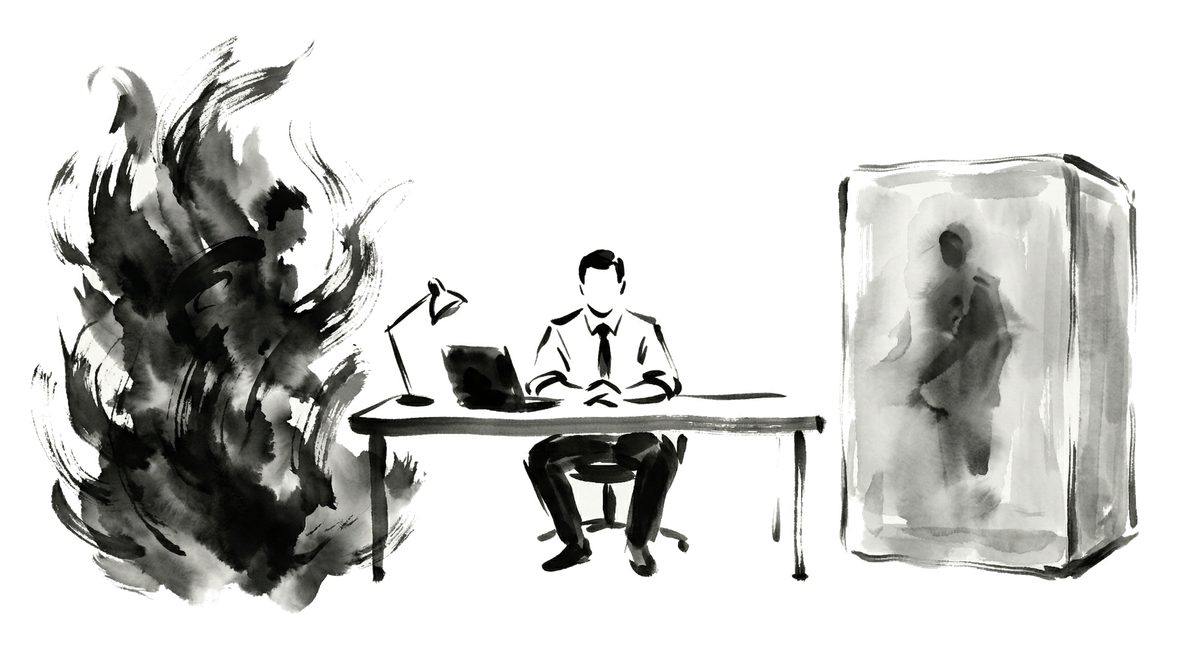
Most of us fall into one of two traps at work.
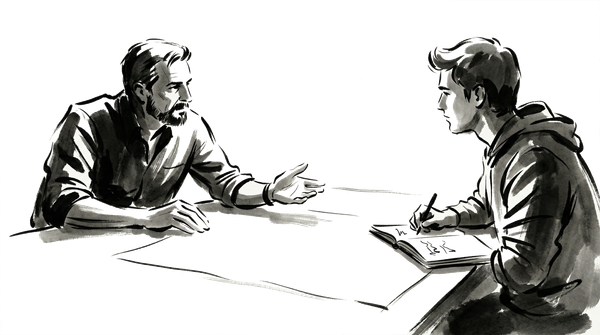
The first trap: you feel everything. A colleague vents about their terrible week and somehow, by the time they leave your desk, you're the one who can't focus. You absorb stress like a sponge, and by Friday you're running on empty, wondering why everyone else's problems feel like your own. That's not empathy. That's emotional contagion, and it's exhausting.
The second trap: you shut it all down. You've been burned before, so you build walls. You stay "professional," keep everything at arm's length, and tell yourself you're just being efficient. But people can feel that distance. Somewhere along the way, you stopped being a colleague and became a liability to talk to.
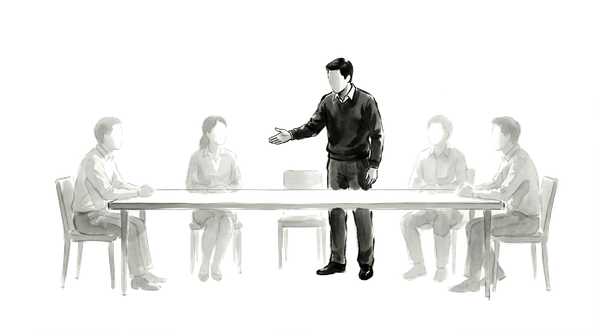
Buddhism has a word for the middle path between these two extremes: upekkha, usually translated as equanimity. It's not a cold, detached neutrality. It's more like being a really good doctor. A good doctor genuinely cares whether you're okay, but they don't panic when you describe your symptoms. They can hold your fear without drowning in it.
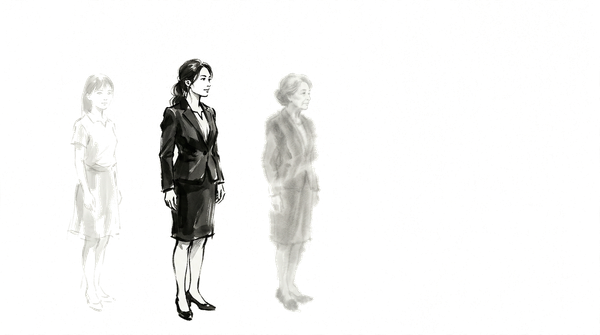
Here's the key insight: emotions are not identity. When a coworker blows up in a meeting, your brain reaches for the fastest available prediction, and the fastest one is usually about you. They're attacking me. They hate my idea. This is about me. But that's your brain constructing a story, not a fact you're observing. Take a breath and zoom out, and what you're actually seeing is a nervous system under pressure: heat, tension, a voice getting louder. Their outburst is a state their brain has built under load, not a verdict about you. That's the thing the "weather passing through" image gets right. The weather is theirs. You don't have to make it mean something about you.
This reframe changes how you respond to difficult people. Instead of getting defensive or shrinking, you can stay curious. You can see the person underneath the behavior.
It also changes how you communicate. Think about giving someone hard feedback. If you're attached to being liked, you'll soften everything into vague mush that doesn't actually help anyone. If you're attached to being right, you deliver feedback like a verdict. But if you can let go of both, something interesting happens: you get clear and kind at the same time. The message lands because you're not trying to control how it's received.
There's real neuroscience under this, though it's worth stating without the "thinking brain versus feeling brain" cartoon. What researchers call prefrontal modulation isn't a rational brain restraining an emotional one. It's regulatory circuitry keeping your own predictions distinct from your read of someone else's state. Without it, your brain stops modeling "their distress" and starts simply running the distress as your own, which is the contagion, you've fused. With it, you can register their state as information about them while your own body budget stays yours.
And this is where the body comes back in, because the lever is interoception, sensing your own internal state. The reason checking in with your own body during a tense conversation does anything is that emotional contagion runs on a prediction, your brain quietly forecasting that their state is yours. Noticing your actual breath, your actual shoulders, feeds in real data that competes with that forecast, which is what keeps the line between their experience and yours from dissolving. When the shoulders creep up, that contraction isn't something to suppress or to fix in the other person. It's the signal that the prediction is starting to fuse the two of you, and noticing it is what holds both states in the same space without collapsing one into the other.
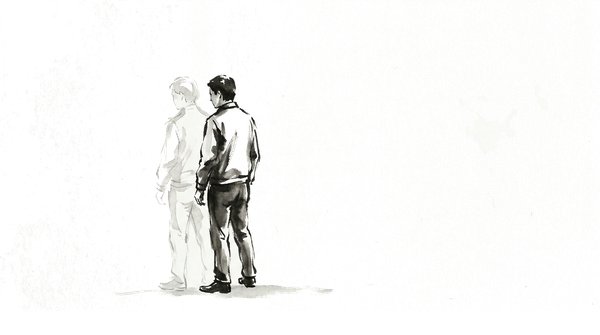
That dual awareness is the whole game. You're not the rescuer trying to fix everything. You're not the judge keeping score. You're just a person, fully present, seeing another person clearly.
That's what non-attachment actually looks like in a real office, on a real Tuesday.