Conflict Isn't About What Happened: It's About Two Incompatible Models
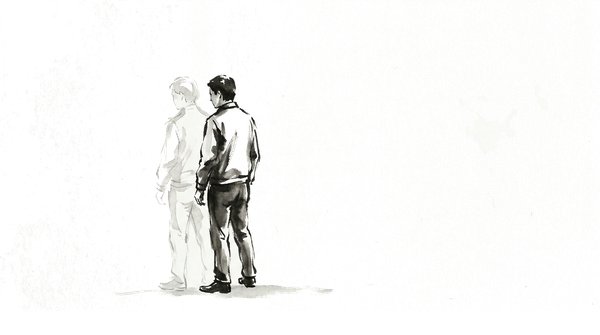
Two people can live through the exact same moment and walk away with completely different memories of what happened, not because anyone is lying, but because they're running different software. Conflict isn't a disagreement about facts; it's two incompatible predictive models colliding.
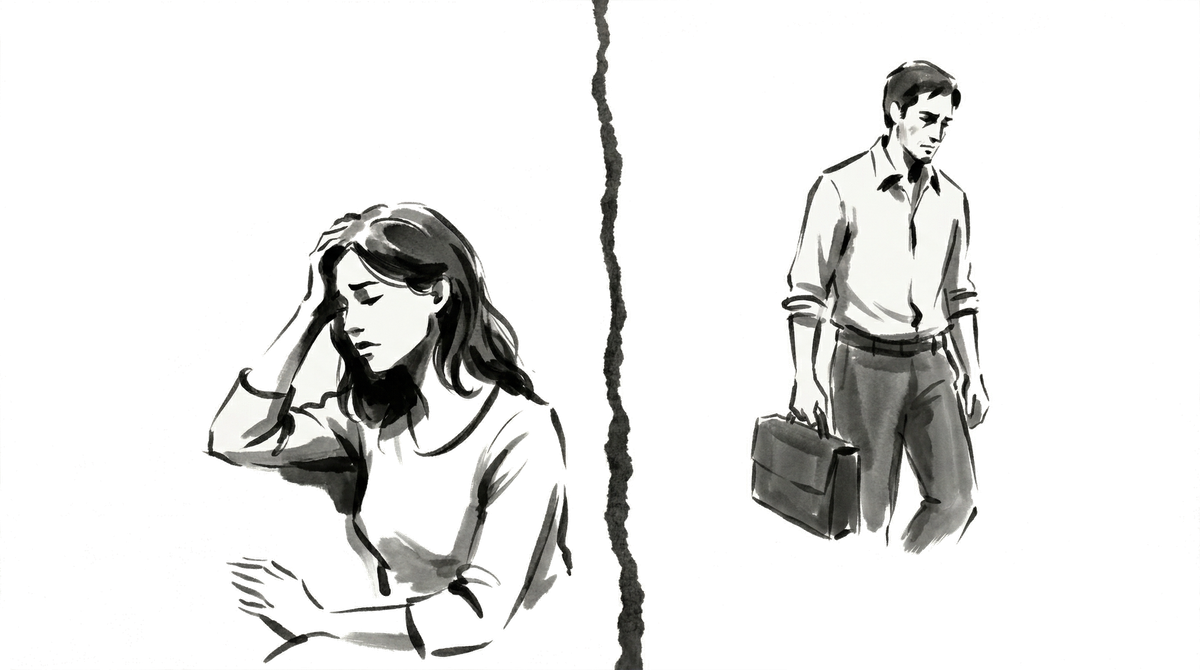
Two people can live through the exact same moment and walk away with completely different memories of what happened. Not because one of them is lying. Not because someone has bad intentions. But because they're running different software.
Let me explain what I mean.
Your brain isn't a camera. It doesn't record reality and play it back. It's more like a prediction engine, constantly generating a model of what's probably happening based on everything you've ever experienced before. When new information comes in, your brain weighs it against that model. If the new stuff fits, great. If it doesn't, your brain has to decide: update the model, or downweight the new information as noise?
This is called precision weighting, and it's the reason two people can have a screaming argument about something that, on paper, both of them witnessed.
Say your partner comes home and doesn't say hi. You've got a history where silence meant something was wrong, so your brain goes: danger. Your model predicts rejection, and suddenly that silence feels like proof. Your partner, meanwhile, was just tired and distracted; their model doesn't even flag the silence as an event worth processing.
Neither of you is wrong, exactly. You're both just trusting your priors.
Those feelings you're having: the hurt, the defensiveness, the frustration? They're not the starting point of the conflict. They're the output. They're what happens after your brain runs its prediction, compares it to what actually showed up, and generates an error signal. Feelings are your brain's way of flagging: "Hey, something didn't match the model."
So when you say "I feel disrespected," you're not reporting a raw emotion. You're reporting the result of a whole unconscious calculation your brain already ran without asking you.
This is why telling someone "you're overreacting" never, ever works. From inside their model, they're not overreacting at all. Their brain did the math and the answer came out as this is a big deal. They're fully justified, given their priors. You're fully justified, given yours. And since neither of you can see the other person's priors, you both just look insane to each other.
It also explains why conflict so rarely gets resolved by rehashing the facts. "You said X." "No, I said Y." "That's not how it happened." You can go around that loop forever. The facts were never really the disagreement. The disagreement is about what the facts mean, which is determined entirely by the model running underneath.
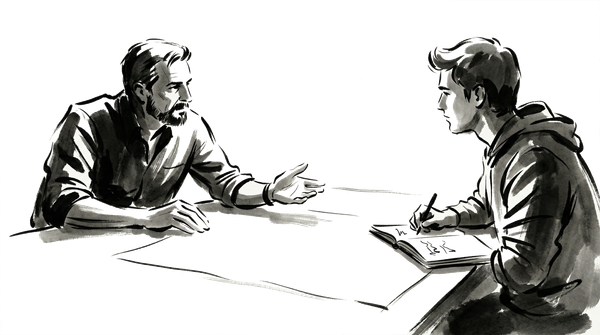
What actually breaks the loop is getting curious about the model itself. Not "why did you do that," but "what did that mean to you when it happened?" Because the moment you get a peek at someone else's priors (where they came from, what they've learned to watch out for, what patterns their brain has been trained on) the behavior that seemed inexplicable suddenly makes complete sense.
They weren't being irrational. They were being totally rational inside a different system.
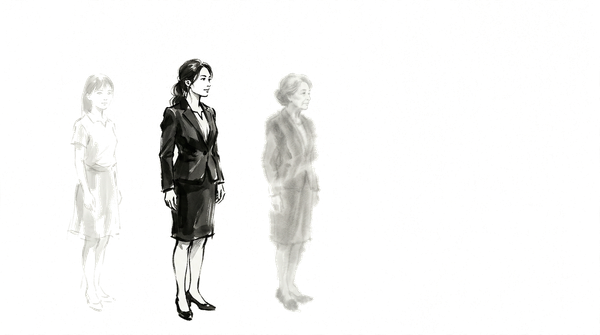
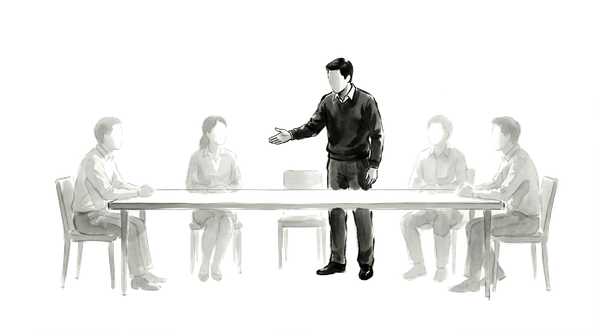
Conflict isn't one person being right and one person being wrong. It's two well-calibrated prediction machines, optimized by completely different life experiences, arriving at incompatible conclusions about the same moment.
The goal isn't to figure out who saw it correctly. It's to understand what each model was built to protect.