
Conflict & Difficult Conversations
You Won't Have to Dodge
The Matrix's most misunderstood line isn't about speed; it's about what happens when you've done enough inner work that other people's words simply lose their power to trigger you.

Conflict & Difficult Conversations
The Matrix's most misunderstood line isn't about speed; it's about what happens when you've done enough inner work that other people's words simply lose their power to trigger you.
Conflict & Difficult Conversations
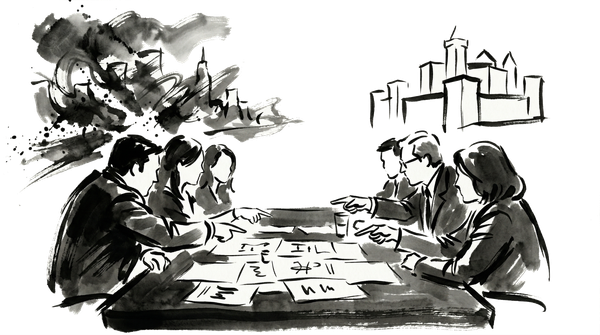
Process disagreements that never resolve are usually proxy battles over deeper conflicts about values, status, or purpose — and the fix is surfacing what each side is actually trying to protect.
Teams & Collaboration
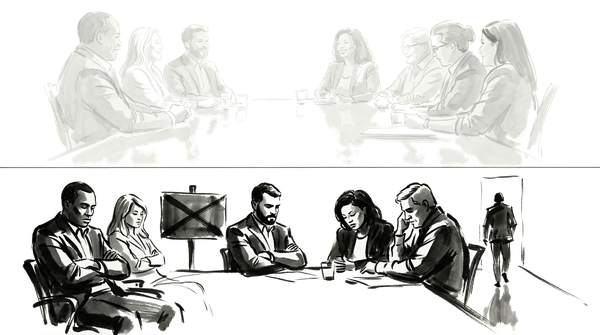
Apparent agreement in meetings is often social performance rather than genuine belief change, and forcing people to state explicit predictions before decisions are finalized makes hidden skepticism visible and harder to quietly abandon.

Career & Performance
Performance feedback conversations go sideways not because people can't handle the truth, but because the brain instinctively defends its self-narrative against what it perceives as a character attack rather than a factual data point.
Teams & Collaboration
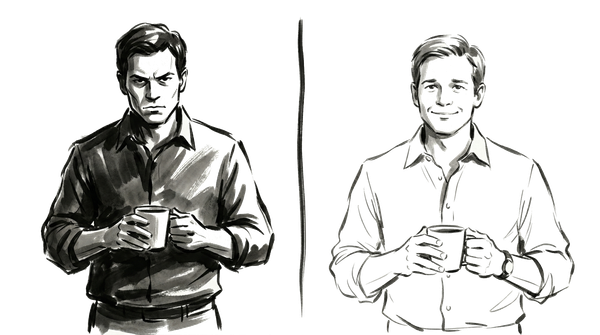
The person you find most difficult at work is largely a mental model your brain constructed and keeps confirming through selective perception — and naming your specific predictions before an interaction can interrupt that automatic loop.
Self-Knowledge
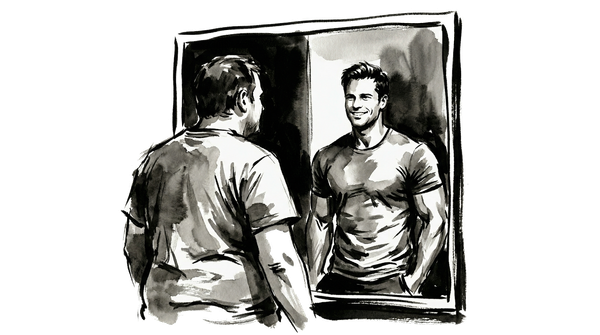
Self-serving attribution bias, misread Dunning-Kruger data, and behavioral research show that your self-concept and your actual behavior diverge more than you think.
Self-Knowledge
Your brain's default state is narrative construction, and the self-concept you treat as fact is actually a story you forgot you were writing.