Emotion & Memory
The Story You Tell Yourself When Things Go Wrong
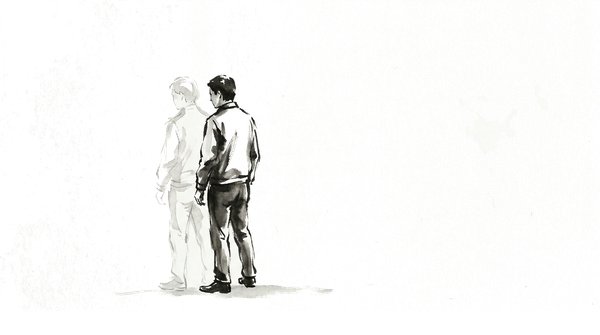
When workplace setbacks feel like personal indictments, it's because your brain is protecting a mental narrative of yourself rather than processing new information.

Emotion & Memory
When workplace setbacks feel like personal indictments, it's because your brain is protecting a mental narrative of yourself rather than processing new information.
motivated reasoning
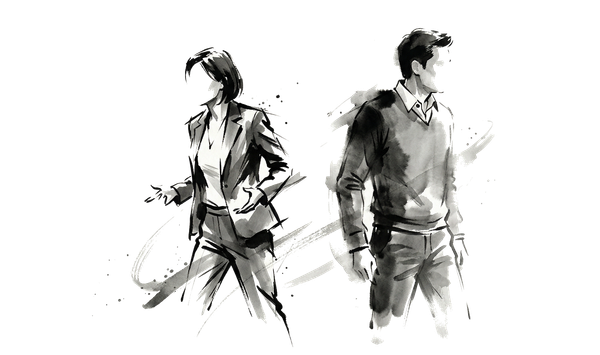
When a colleague argues hard against a well-supported idea, the real obstacle is usually emotional, not logical, and understanding what they're protecting matters more than winning the debate.
Career & Performance
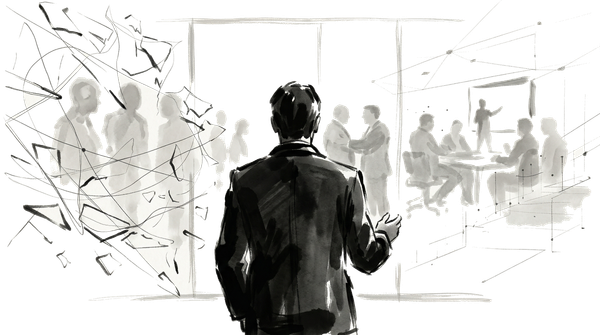
Self-serving attribution bias turns career setbacks into missed learning opportunities; the fix is reframing feedback requests from backward-looking judgments to forward-looking behavioral predictions.
Self-Knowledge
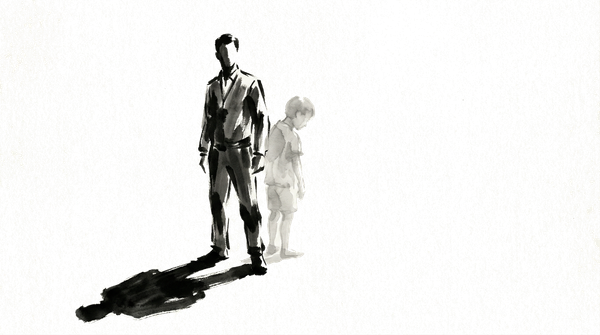
Here's something that comes up constantly, both at work and in everyday life. Someone says or does something that bothers you. And you get upset. Maybe a colleague dismisses your idea in a meeting. Maybe a friend says something that stings. Maybe your boss piles on during a
psychological safety
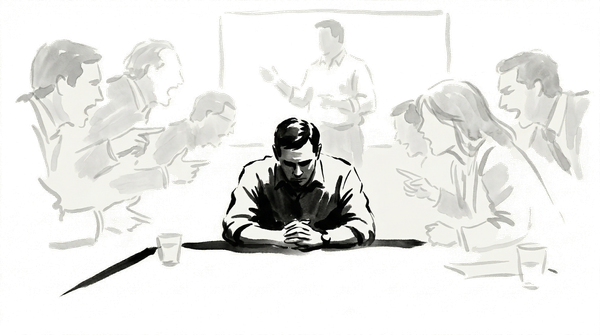
Neuroscience and Buddhist philosophy explain why a publicly humiliated engineering manager became risk-averse — and what his team should have done differently.
emotional regulation
Suppressed emotions don't disappear at work; they accumulate silently, driving conflict, eroding trust, and undermining performance until individuals learn to treat feelings as information rather than interference.
Conflict & Difficult Conversations
A Buddhist framework of three simple questions — is it true, is it necessary, is it kind? — can transform workplace communication from reflexive and damaging to honest, clear, and actually useful.
Self-Knowledge
Your brain writes its story before you're aware of it, but three cognitive interventions — interoceptive awareness, affect labeling, and deliberate model-switching — let you slip into the gap before perception locks in.
Self-Knowledge
Naming an emotion doesn't just describe what you're feeling — neuroscience shows it measurably reduces amygdala activation, making emotion vocabulary a functional brain intervention, not self-help advice.

Self-Knowledge
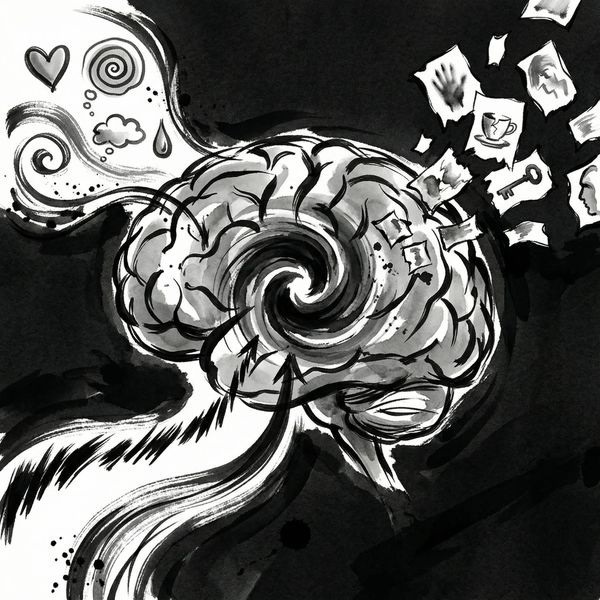
Lisa Feldman Barrett's Theory of Constructed Emotion dismantles the idea that emotions are hardwired, showing instead that the brain assembles feelings in real time from ambiguous body signals, past experience, and conceptual knowledge.
reference
Here's something that will probably feel counterintuitive: your brain doesn't detect emotions the way a smoke alarm detects smoke. There's no dedicated fear circuit waiting to fire, no anger module that activates when you're crossed. What's actually happening is considerably