Leadership & Influence
When Mentoring Goes Wrong
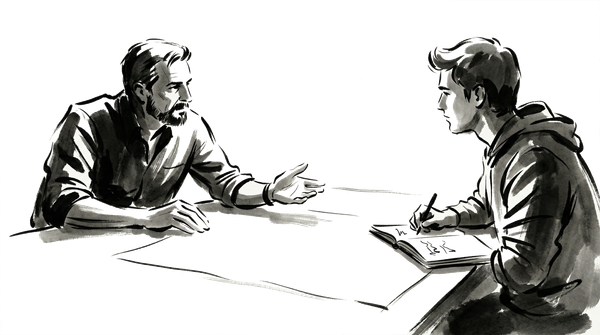
When an opinionated senior engineer and a hesitant junior engineer clash, the real problem isn't attitude; it's two brains doing exactly what evolution designed them to do.
Leadership & Influence
When an opinionated senior engineer and a hesitant junior engineer clash, the real problem isn't attitude; it's two brains doing exactly what evolution designed them to do.
Self-Knowledge
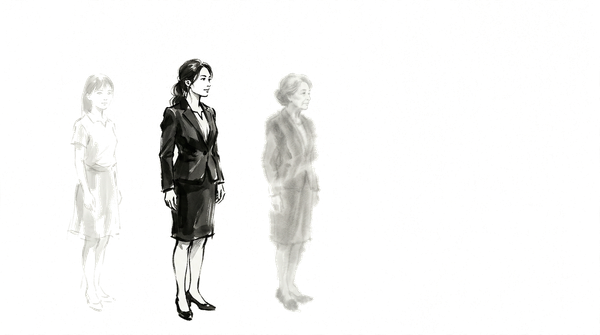
The narrative self your brain constructs is largely built from other people's projections and fears, and mistaking that story for reality is the root of a particular kind of suffering.
Teams & Collaboration
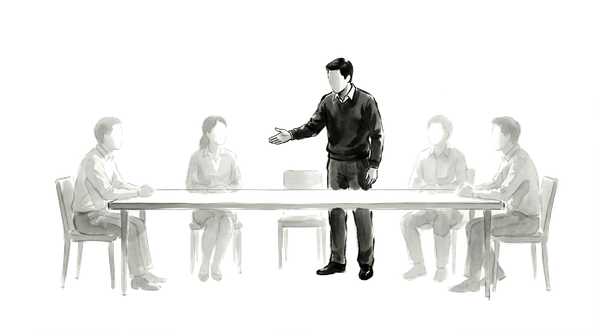
Silence in meetings isn't agreement; it's a rational response to an environment where the brain predicts honesty is unsafe, and fixing it requires redesigning the prediction loop, not asking for more courage.
Conflict & Difficult Conversations
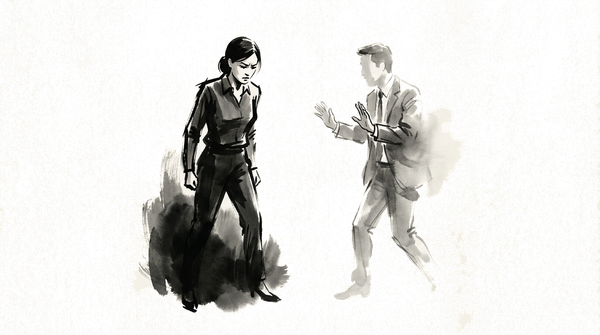
When a colleague's bluntness feels threatening, the real work isn't changing them but understanding why your nervous system is treating direct feedback as a personal attack.
Conflict & Difficult Conversations
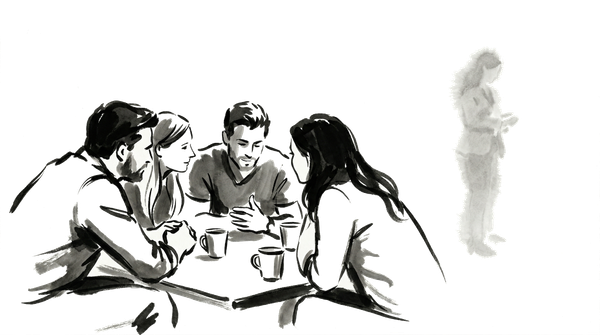
When managers make unpopular calls, tribal bonding and amygdala threat responses make group indignation feel like safety, but often at the cost of clear thinking.
Teams & Collaboration
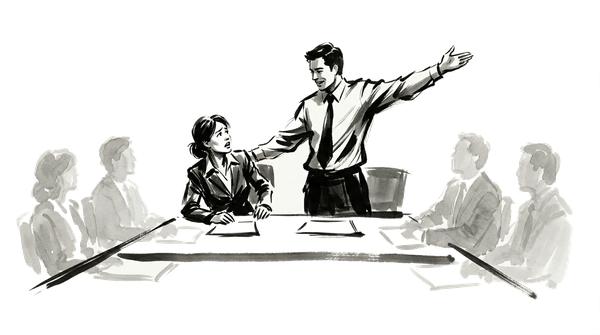
Credit-taking is a threat response driven by self-model protection, and understanding that mechanism gives you a strategic advantage in how you respond.
Conflict & Difficult Conversations
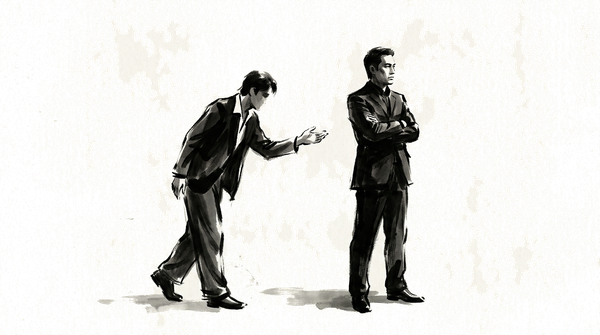
Most workplace apologies fail because they're designed to relieve the apologizer's discomfort rather than update the other person's mental model, and people can feel that difference even when they can't articulate it.
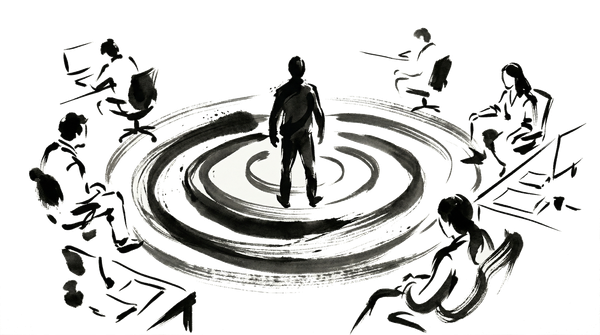
emotional contagion
Drawing on the neuroscience of mirror neurons and emotional contagion, this post explains why a manager's emotional state spreads to the whole team — and what to do about it.
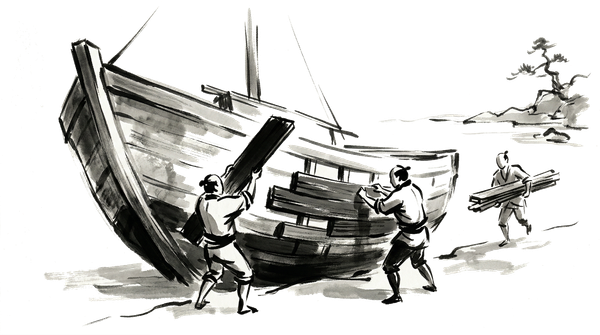
impermanence
The Ship of Theseus paradox reveals that identity, whether personal or organizational, isn't defined by what it's made of but by the continuity of purpose and pattern that persists through constant change.
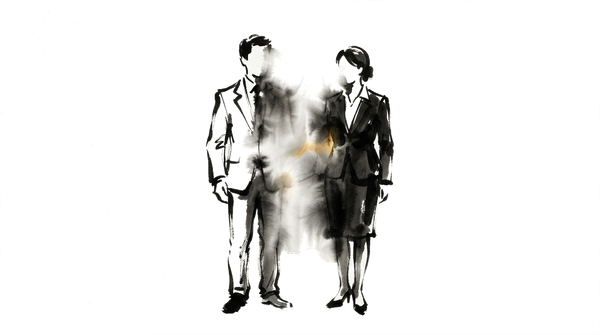
conflict theory
Most workplace conflict isn't really about the other person; it's about the brain's hardwired tendency to divide the world into "me versus them," and learning to see through that illusion is what makes collaboration actually work.
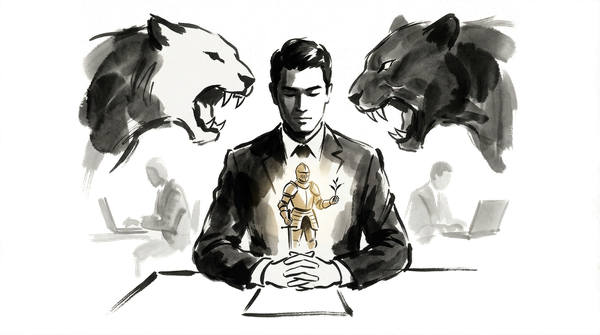
Self-Knowledge
The ego is a neurological security system, not a character flaw, and understanding its protective function is the first step toward more honest, less defensive communication at work.
Self-Knowledge
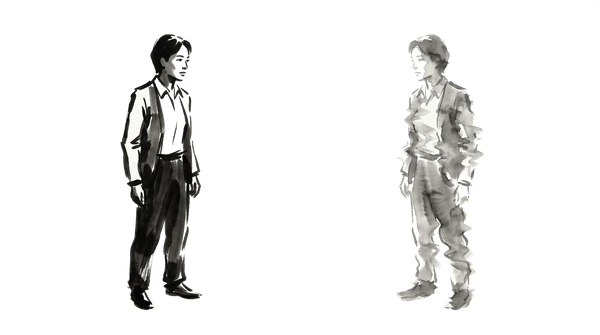
The coworkers who frustrate you most are often reflecting disowned parts of yourself, and understanding that dynamic through psychology and neuroscience is more effective than any conflict resolution technique.