
Self-Awareness
Your Feelings Are Trying to Go Somewhere
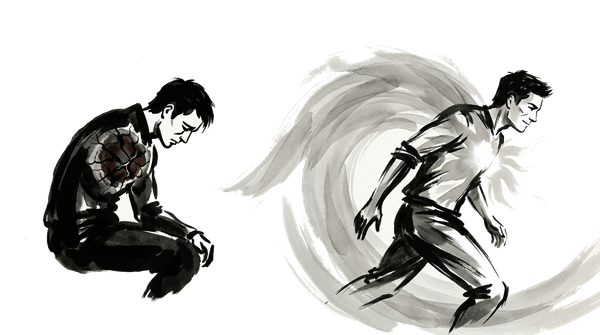
Emotions are electrochemical energy moving through the body before the mind names them, and learning to feel rather than suppress that energy is the key to clarity, regulation, and better work.
Self-Awareness
Emotions are electrochemical energy moving through the body before the mind names them, and learning to feel rather than suppress that energy is the key to clarity, regulation, and better work.
Self-Awareness
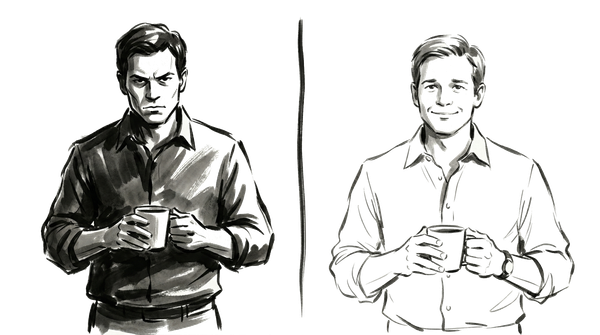
The coworkers who frustrate you most are often reflecting disowned parts of yourself, and understanding that dynamic through psychology and neuroscience is more effective than any conflict resolution technique.
Stress & Regulation
Emotions are biological waves designed to move through you, and when workplace culture forces you to suppress them, the unresolved energy accumulates in your body and quietly shapes your behavior, relationships, and health.
Conflict & Resolution
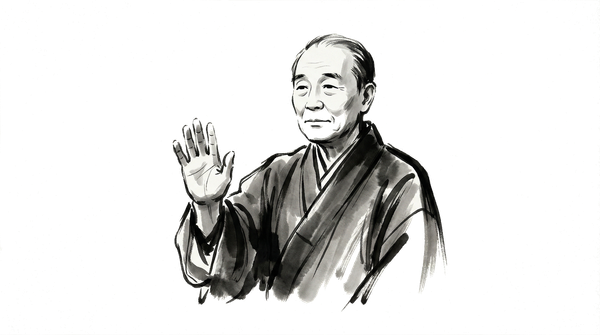
A Buddhist framework of three simple questions — is it true, is it necessary, is it kind? — can transform workplace communication from reflexive and damaging to honest, clear, and actually useful.
Conflict & Resolution
The Matrix's most misunderstood line isn't about speed; it's about what happens when you've done enough inner work that other people's words simply lose their power to trigger you.
Collaboration
High expertise builds strong mental priors that improve pattern recognition in familiar domains but systematically filter out disconfirming signals in novel situations, making smart people wrong in predictable ways that can be countered through structural practices like pre-mortems and red teaming.
Conflict & Resolution
Process disagreements that never resolve are usually proxy battles over deeper conflicts about values, status, or purpose — and the fix is surfacing what each side is actually trying to protect.
Collaboration
Apparent agreement in meetings is often social performance rather than genuine belief change, and forcing people to state explicit predictions before decisions are finalized makes hidden skepticism visible and harder to quietly abandon.
Collaboration
Performance feedback conversations go sideways not because people can't handle the truth, but because the brain instinctively defends its self-narrative against what it perceives as a character attack rather than a factual data point.
Collaboration
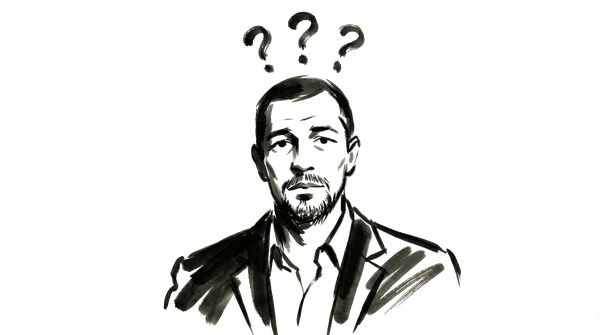
The person you find most difficult at work is largely a mental model your brain constructed and keeps confirming through selective perception — and naming your specific predictions before an interaction can interrupt that automatic loop.
Self-Awareness
Your brain writes its story before you're aware of it, but three cognitive interventions — interoceptive awareness, affect labeling, and deliberate model-switching — let you slip into the gap before perception locks in.
Self-Awareness
Naming an emotion doesn't just describe what you're feeling — neuroscience shows it measurably reduces amygdala activation, making emotion vocabulary a functional brain intervention, not self-help advice.