Stress & Regulation
The Burnout Nobody Saw Coming
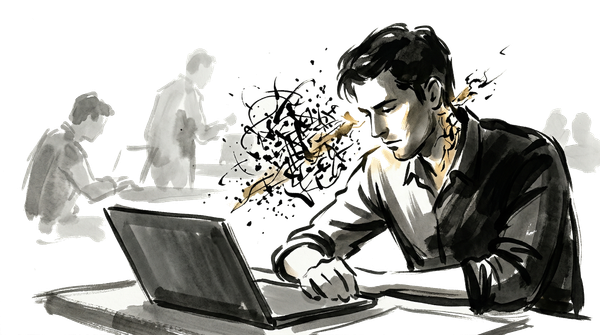
Burnout isn't a workload problem; it's what happens when the brain's predictions about effort and reward chronically fail to match reality, until the system shuts down to protect itself.
Stress & Regulation
Burnout isn't a workload problem; it's what happens when the brain's predictions about effort and reward chronically fail to match reality, until the system shuts down to protect itself.
Collaboration
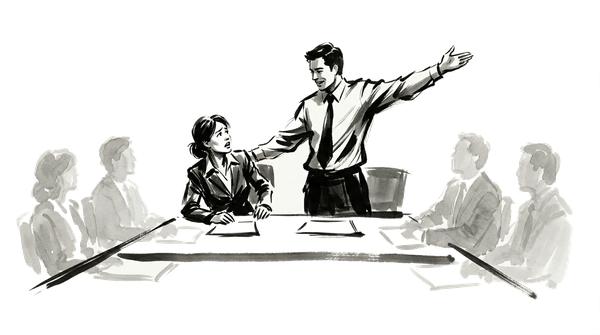
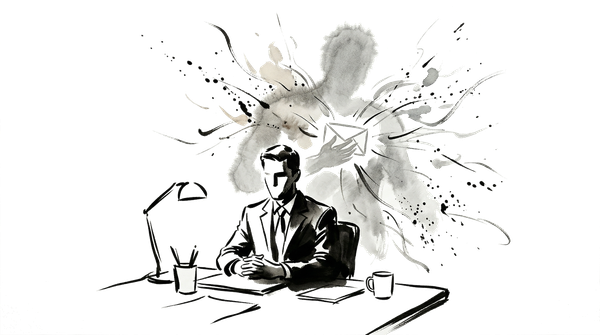
Credit-taking is a threat response driven by self-model protection, and understanding that mechanism gives you a strategic advantage in how you respond.
Stress & Regulation
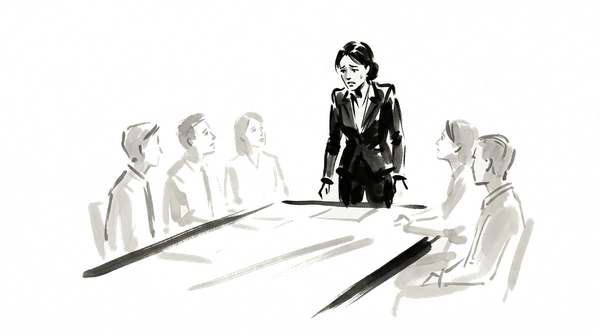
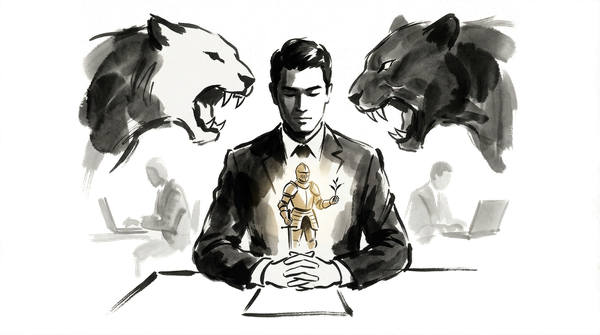
Your brain's threat response hijacks exactly the cognitive resources you need in high-stakes meetings, but a targeted pre-meeting practice can shift your neurological state before the moment arrives.
Conflict & Resolution
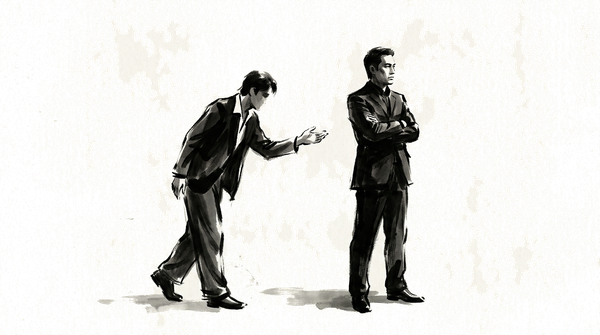
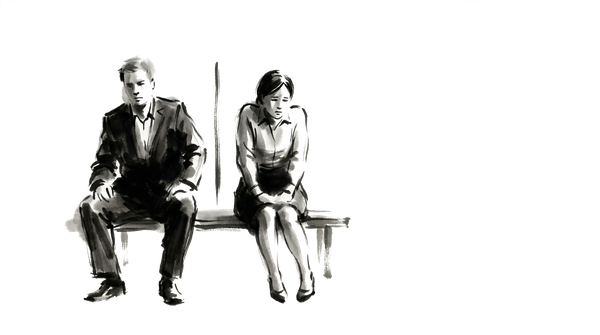
Most workplace apologies fail because they're designed to relieve the apologizer's discomfort rather than update the other person's mental model, and people can feel that difference even when they can't articulate it.
Self-Awareness
Here's something that comes up constantly, both at work and in everyday life. Someone says or does something that bothers you. And you get upset. Maybe a colleague dismisses your idea in a meeting. Maybe a friend says something that stings. Maybe your boss piles on during a
Psychological Safety
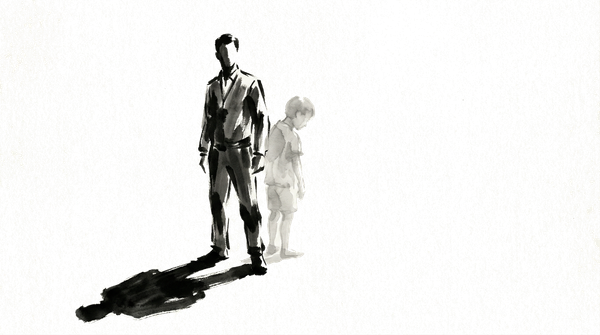
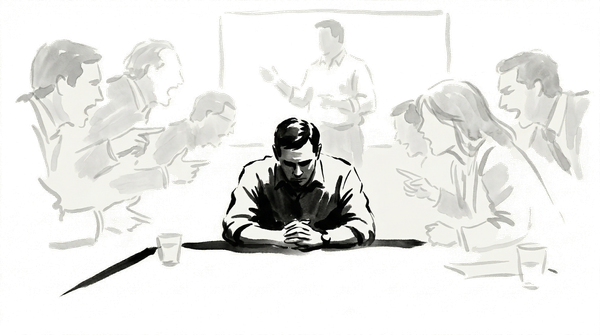
Neuroscience and Buddhist philosophy explain why a publicly humiliated engineering manager became risk-averse — and what his team should have done differently.
Conflict & Resolution
The words that hurt us only land because they've found something inside us that already matters — and that pain is pointing somewhere worth looking.
Narrative Identity
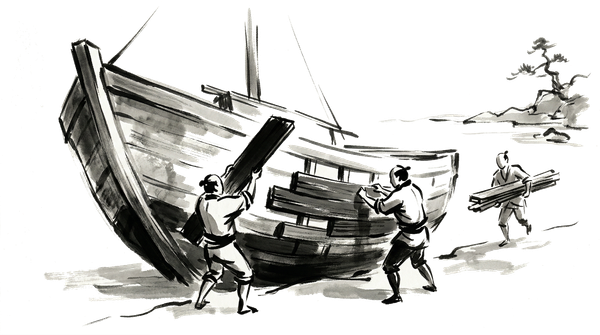
The Ship of Theseus paradox reveals that identity, whether personal or organizational, isn't defined by what it's made of but by the continuity of purpose and pattern that persists through constant change.
Emotional Regulation
Emotions aren't irrational interruptions; they're precise biological signals your nervous system keeps repeating until you actually listen to them.
Emotional Regulation
Suppressed emotions don't disappear at work; they accumulate silently, driving conflict, eroding trust, and undermining performance until individuals learn to treat feelings as information rather than interference.
Conflict & Resolution
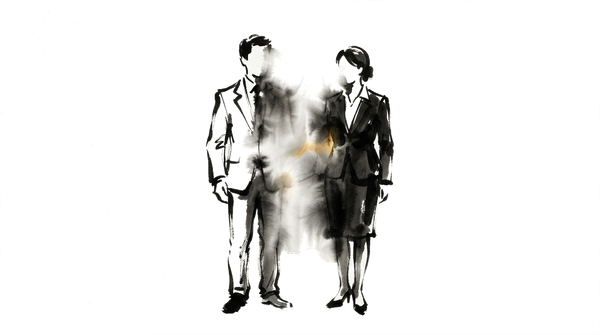
Most workplace conflict isn't really about the other person; it's about the brain's hardwired tendency to divide the world into "me versus them," and learning to see through that illusion is what makes collaboration actually work.
Self-Awareness
The ego is a neurological security system, not a character flaw, and understanding its protective function is the first step toward more honest, less defensive communication at work.