Stress & Regulation
Your Manager Can't Fix Your Anxiety (And That's Not Her Job)
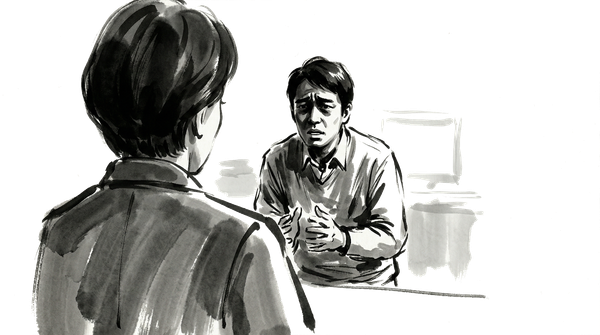
When a project is in crisis, the instinct is to look to your manager for reassurance. But she's stuck too, and the relief you're looking for isn't in her hands.

Stress & Regulation
When a project is in crisis, the instinct is to look to your manager for reassurance. But she's stuck too, and the relief you're looking for isn't in her hands.

Conflict & Resolution
Criticism doesn't just sting, it activates the same neural circuits as physical pain. Understanding that isn't just interesting; it's what lets you actually use feedback instead of just surviving it.
Conflict & Resolution
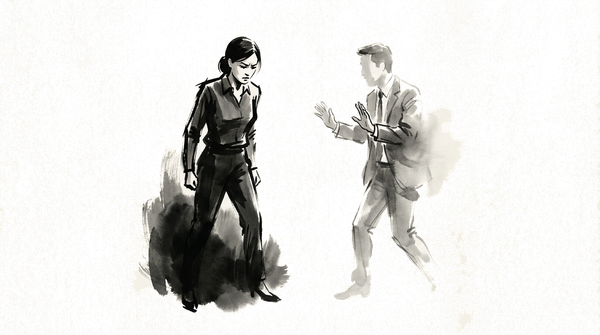
Marcus gave the same blunt feedback to four engineers. Three took it in stride, one even pushed back and made it better. One is sitting in your office, upset. The discomfort is real; the interesting question is what it's tracking.
Conflict & Resolution
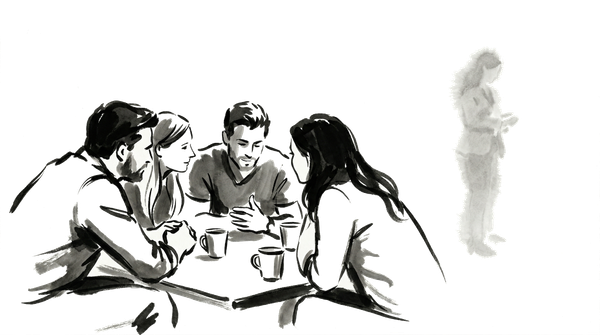
When a manager makes an unpopular call, the group indignation that follows isn't a character flaw. It's your brain predicting a social threat and building righteous certainty to match, which is exactly what makes it so hard to think clearly through.
Stress & Regulation
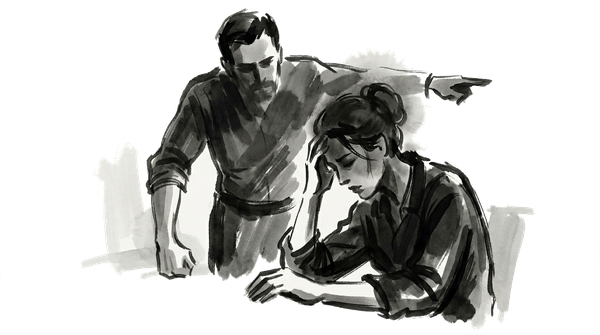
When your manager hovers, your performance actually does get worse, not because you've lost confidence, but because your brain has been cut off from the operating system it needs to function.
Stress & Regulation
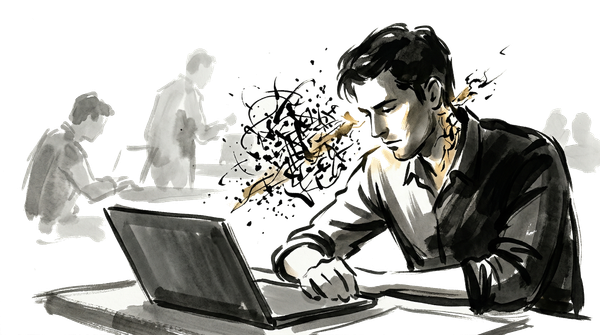
Burnout doesn't announce itself, it accumulates below the level of conscious awareness until the brain decides the most efficient solution is to stop predicting anything at all. It's not a workload problem; it's a prediction problem.
Stress & Regulation
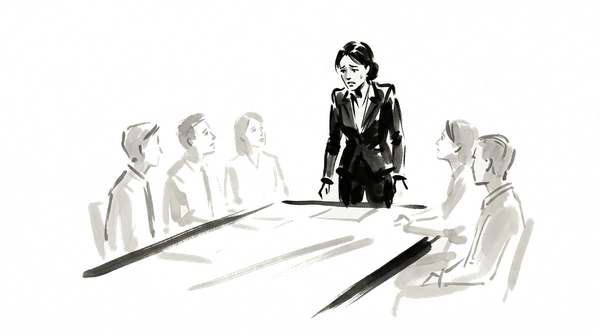
The meetings where you most need your brain are the exact ones where it shuts down. That's not a confidence problem, it's a threat response hijacking your working memory in real time.
Emotional Regulation
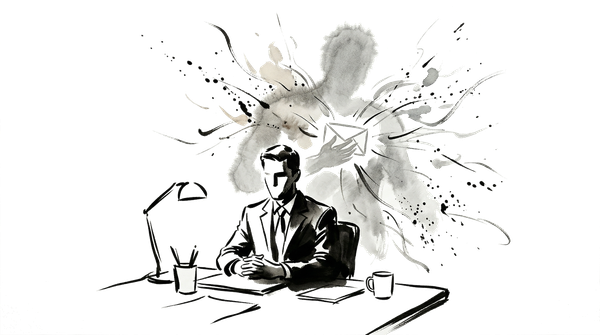
The feeling you won't let yourself register doesn't vanish. The raw body signal keeps arriving, and your brain keeps building something out of it, often clumsier than if you'd noticed the state directly.
Emotional Regulation
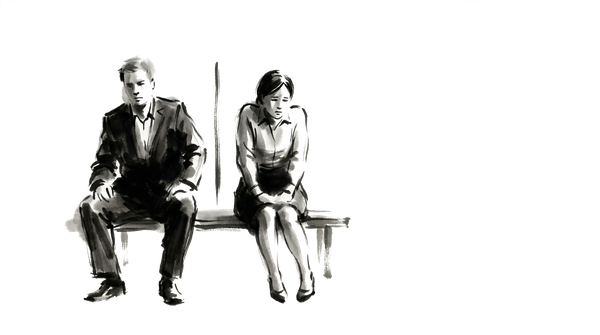
Your workplace runs an emotional economy in the background whether anyone names it or not. Suppressing what's there isn't free, it carries a real cost and it leaks anyway, and the one move with solid support is also the least dramatic.

Conflict & Resolution
Most workplace conflict isn't really about the other person. It's about a story your brain is telling you, and that story has a very specific structure: me versus them.
Self-Awareness
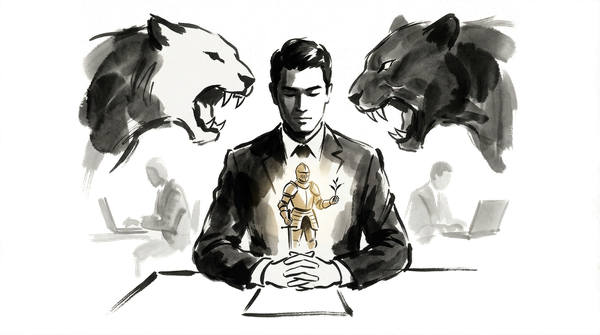
Your ego isn't trying to wreck your relationships at work. It's two ordinary brain systems, the one that builds your sense of "me" and the one that detects threat, doing what they do when your self-image takes a hit.
Self-Awareness
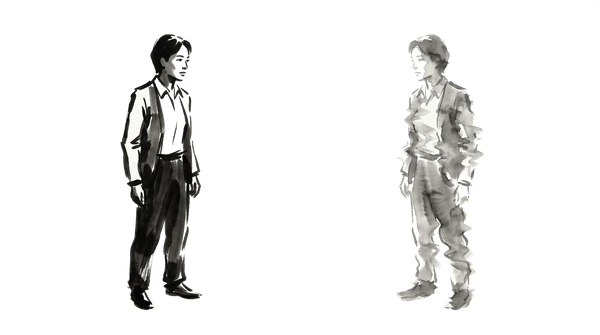
The colleague who drives you absolutely crazy might be the most useful mirror you have at work. What irritates you most in others is often pointing directly at something you haven't dealt with in yourself.