Collaboration
When Mentoring Goes Wrong
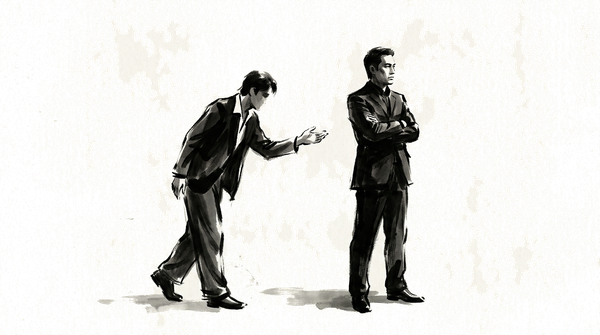
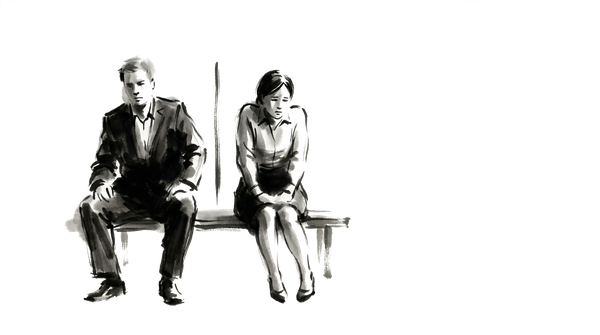
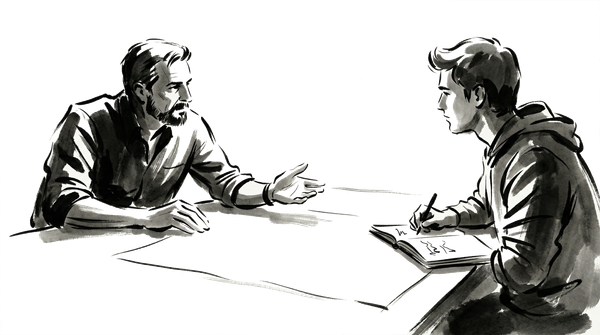
When an opinionated senior engineer and a hesitant junior engineer clash, the real problem isn't attitude; it's two brains doing exactly what evolution designed them to do.
Collaboration
When an opinionated senior engineer and a hesitant junior engineer clash, the real problem isn't attitude; it's two brains doing exactly what evolution designed them to do.
Collaboration
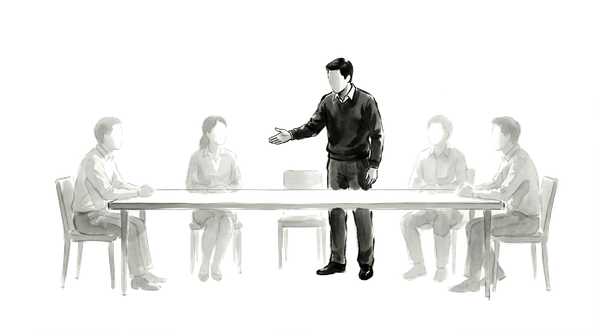
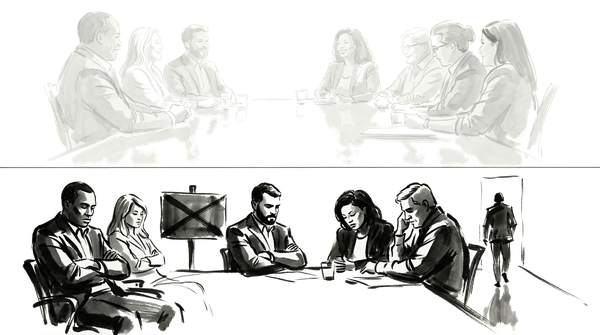
Silence in meetings isn't agreement; it's a rational response to an environment where the brain predicts honesty is unsafe, and fixing it requires redesigning the prediction loop, not asking for more courage.
Conflict & Resolution
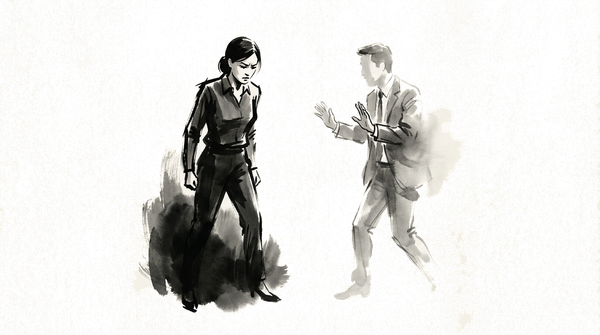
When a colleague's bluntness feels threatening, the real work isn't changing them but understanding why your nervous system is treating direct feedback as a personal attack.
Conflict & Resolution
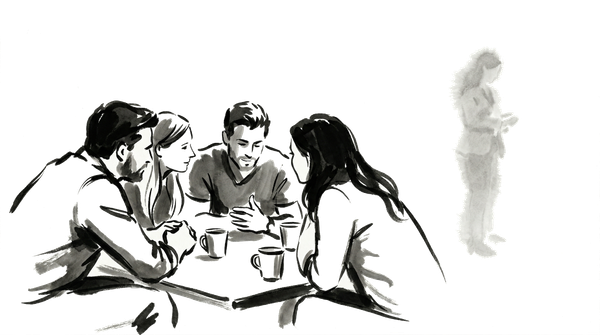
When managers make unpopular calls, tribal bonding and amygdala threat responses make group indignation feel like safety, but often at the cost of clear thinking.
Stress & Regulation
Micromanagement degrades performance not because it's unpleasant but because it removes the autonomous action loop the brain needs to function.
Conflict & Resolution
Most workplace apologies fail because they're designed to relieve the apologizer's discomfort rather than update the other person's mental model, and people can feel that difference even when they can't articulate it.
Psychological Safety
Neuroscience and Buddhist philosophy explain why a publicly humiliated engineering manager became risk-averse — and what his team should have done differently.
Emotional Regulation
Suppressed emotions don't disappear at work; they accumulate silently, driving conflict, eroding trust, and undermining performance until individuals learn to treat feelings as information rather than interference.
Self-Awareness
The ego is a neurological security system, not a character flaw, and understanding its protective function is the first step toward more honest, less defensive communication at work.
Self-Awareness
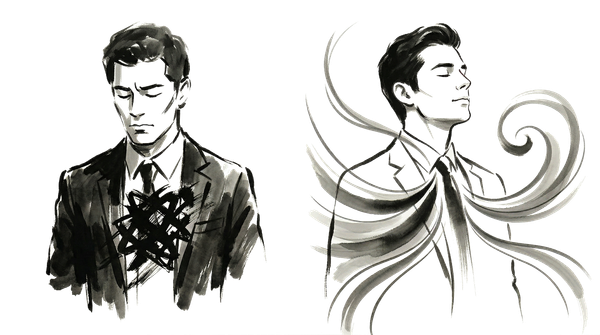
Emotions are electrochemical energy moving through the body before the mind names them, and learning to feel rather than suppress that energy is the key to clarity, regulation, and better work.
Collaboration
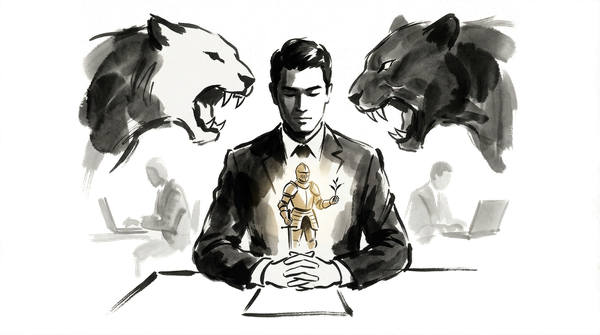
A leader's emotional state is neurologically contagious, and the most effective thing a manager can do is regulate their own nervous system before trying to lead anyone else.
Collaboration
Apparent agreement in meetings is often social performance rather than genuine belief change, and forcing people to state explicit predictions before decisions are finalized makes hidden skepticism visible and harder to quietly abandon.